




 Click it and Unblock the Notifications


Latest Updates
-
 Independence Day 2026: 80+ Patriotic Wishes And Quotes For WhatsApp, Instagram, Facebook And X
 -
 Hariyali Teej 2026 Wishes: 60+ Beautiful And Meaningful Lines To Celebrate Love, Marriage And Tradition
 -
 Independence Day 2026: 10 Must-Try Dining Experiences With Family And Friends — Tricolour Buffets To Brunches
 -
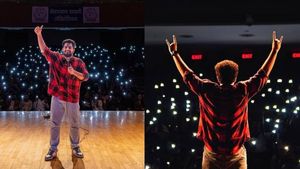 Samay Raina's FIRs Are Quashed: How Fundraising For Persons With Disabilities Bought Him Legal Freedom
 -
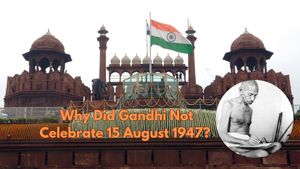 Independence Day 2026: Why Did Gandhi Stay Away From Independence Day Celebrations?
 -
 A New Organ, A New Beginning: How Transplantation Changes Careers, Relationships And Family Life
 -
 Pregnancy Skin Changes: What’s Normal and What Needs a Dermatologist?
 -
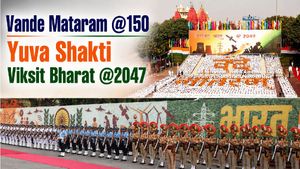 Independence Day 2026: How ‘Vande Mataram’ And Yuva Shakti Are Taking Centre Stage At The Red Fort Ceremony
 -
 The Emotional Cost of Being Available 24/7: Why Many Professionals Can't Switch Off
 -
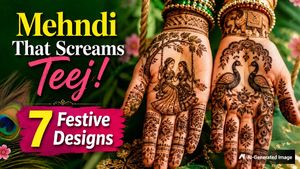 Hariyali Teej 2026: From Swings To Peacocks, 7 Beautiful Mehndi Designs To Try This Festival


Mehendi Painting Techniques

As far back as 1200 B.C. the ancient Egyptians were using henna on their nails and hair. Once the henna plant's cooling properties were discovered, painting the skin became a way for the desert people of India to cool down their body temperatures.
;
painting on human skin is temporary and lasts for some hours. painting with clay and other natural pigments existed in tribal cultures. It still survives in this ancient form amoung indigenous people of Australia, Pacific Islands and parts of Africa. A semi-permanent form of painting known as Mehndi exists in India and Middle East. In case of Mehndi it lasts for two to three weeks.
For centuries, mehndi, the art of henna painting on the body has been practiced in India, Africa and the Middle East, where the henna plant is believed to bring love and good fortune and to protect against evil. Mehndi is traditionally practiced for wedding ceremonies, during important rites of passage and at times of joyous celebration.
;
A paste made from the crushed leaves of the henna plant is applied to the skin, and when removed several hours later, leaves beautiful markings on the skin that fade naturally over 1 to 3 weeks. There has been a revival of painting in Western countries since 1960s. Today, paintings are typically worn at football matches, rave parties and festivals. As full paintings usually involve nudity, it is not allowed for persons under the age of majority. In recent years, face painting has become very popular with children at theme parties or at birthdays.
;
Modern body and face paints are made under stringent guidelines. These are non-allergic, non-toxic and can be easily washed away. It is becoming an increasingly acceptable method for both advertising and fine arts purposes, as well as just for fun! These surely draw attention and make heads turn!!

 Continue with Google