




 Click it and Unblock the Notifications


Latest Updates
-
 Breast Cancer Awareness Month 2026: Expert Explains The Emotional Toll Of Breast Cancer
 -
 Navratri 2026 Food Hopping In Delhi NCR: 7 Places To Explore For A Taste Of Festive Flavours
 -
 Why Casual Games Are Perfect for Quick Online Play
 -
 World Menopause Day 2026: Theme, Significance And What Research Reveals About Menopause In India
 -
 Navratri Day 8: Maa Mahagauri Puja, Colour, Rituals And Significance
 -
 Dussehra 2026: The Difference Between Vijayadashami And Ravana Dahan
 -
 Veteran Musician Deva Dies At 75: Life And Legacy Of Thenisai Thendral
 -
 Navratri Fasting Diet: How To Stay Energised And Full Through The Day
 -
 Kavya Maran Wedding In Greece? Date, Venue, and What Is Confirmed
 -
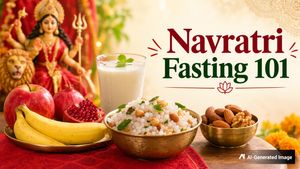 Navratri Fasting 101: What To Eat, What To Skip, And How To Avoid Acidity And Headaches


Yashoda Jayanti 2026: Significance, Puja Vidhi And Vrat Katha Rooted In Maternal Love

Many people who follow the Hindu calendar mark a day that isn't about a god or goddess in the usual way, it's about a mother, Yashoda, the woman who raised Krishna with everyday love. Yashoda Jayanti in 2026, this falls on Saturday, 7 February. For those observing it, it's a chance to reflect on the kind of love that grounds us whether it's for a child, a family member, or someone we care for deeply.

Date And Tithi Details For Yashoda Jayanti 2026
Yashoda Jayanti is observed according to the North Indian lunar calendar and falls in the month of Phalguna, a time that marks the transition from winter towards spring.
Date: Saturday, 7 February 2026
- Tithi: Phalguna Krishna Paksha Shashthi
- Shashthi begins: 1:18 AM on 7 February 2026
- Shashthi ends: 2:54 AM on 8 February 2026
Since the Shashthi tithi is present at sunrise on 7 February, the vrat and puja are observed on this day.
Why Yashoda Jayanti Is Observed
Yashoda Jayanti marks the birth anniversary of Mother Yashoda, the foster-mother of Lord Krishna. Within Vaishnav tradition, her role holds deep spiritual meaning, not because of divine status, but because of how she loved.
Her significance lies in simple truths:
- She raised Krishna as her own, without knowing he was divine
- Her affection was instinctive, protective, and fiercely human
- Her devotion wasn't expressed through rituals, but through care, discipline, and everyday nurturing
For many devotees, this day becomes a moment to pray for family stability, child welfare, and emotional balance at home. Others observe it to reflect on what it means to serve and love without expectation.
The Story of Yashoda And Krishna
Puranic texts, especially the Bhagavata Purana, describe Yashoda as the wife of Nanda Maharaj, the chief of Gokul. Her name, Yashoda, means one who grants fame and glory - a fitting description for someone remembered not for authority, but for love.
Krishna was born to Devaki and Vasudeva in Mathura.
To protect him from King Kamsa, he was secretly carried to Gokul and placed in Yashoda's care. From that moment, she became his mother in every way that mattered.
Stories of their bond are deeply familiar:
- Yashoda feeding Krishna butter and scolding him for stealing it
- Tying him to a mortar during the Damodara episode
- Looking into his mouth and seeing the entire universe, yet still worrying whether he had eaten mud
One verse from the Bhagavata Purana notes that even divine beings like Brahma, Shiva, and Lakshmi did not receive the kind of closeness Krishna gave Yashoda because her love came without awareness of his divinity.
Vrat On Yashoda Jayanti: Meaning And Belief
Many devotees, particularly married women, observe a vrat on Yashoda Jayanti. The fast is not governed by rigid rules. Its value lies in purpose rather than strictness.
People traditionally observe the vrat to:
- Pray for children's health and happiness
- Seek peace and emotional stability within the family
- Reflect on maternal care as a spiritual practice
There is no single scripture that mandates this vrat. It exists through lived tradition, passed on through families and local customs, shaped by belief rather than instruction.
The Vrat Katha Associated With Yashoda Jayanti
The vrat katha narrated on Yashoda Jayanti centres on devotion expressed through longing and care.
According to popular retellings:
- Yashoda was born in Braj and grew up devoted to Vishnu
- Through sincere worship, she expressed her desire to experience motherhood
- Vishnu granted her the blessing that she would raise him in his earthly form
- That promise unfolded when Krishna was placed in her care in Gokul
As devotees listen to or read this katha during the vrat, the focus remains on love that asks for nothing in return - the kind that sustains, protects, and forgives.
How Yashoda Jayanti Puja Is Performed
The puja followed on Yashoda Jayanti is simple and rooted in warmth rather than grandeur.
Morning preparation
Devotees wake early, bathe, wear clean clothes, and begin the day with a calm, focused mindset.
Altar setup
A clean cloth is placed on a platform, often in yellow. Images or idols of Mata Yashoda and Bal Krishna are kept together, decorated with flowers, tulsi leaves, and sandalwood paste.
Offerings
Fruits, milk-based sweets, incense, and a diya are offered. Butter and mishri are central, reflecting Krishna's childhood.
Prayer and meditation
Chants like Gopal Sahasranama, Krishna mantras, or stotras linked to Yashoda are recited. Many devotees spend time thinking about patience, care, and emotional steadiness.
Arti and prasad
The puja ends with arti and distribution of prasad. Those fasting usually eat simple, light food or fruits.
Breaking the vrat
If the fast is observed, it is concluded after the puja or the next morning, depending on family tradition.
The Deeper Meaning of Yashoda Jayanti
Yashoda Jayanti places value on something often overlooked - care as a spiritual act. It doesn't glorify sacrifice through suffering. It acknowledges the power of showing up, day after day, for someone else.
Yashoda never worshipped Krishna as a god. She loved him as a child. And in that love, devotion found its most human form. That is what this day quietly asks us to reflect on - not rituals alone, but the way love is lived.
The story isn't about a supernatural promise, it's about the weight of everyday love and responsibility. Many people listen to or recite this story during their puja as a reminder of what devoted care really looks like.
Yashoda Jayanti reminds us that the way we care shapes us and the people we love. In 2026, on 7 February, whether you follow the tradition closely or simply take inspiration from it, the message is the same - consistent, compassionate care changes the world one relationship at a time.

 Continue with Google

