




 Click it and Unblock the Notifications


Latest Updates
-
 Papankusha Ekadashi 2026: October 21 Or 22? Know The Correct Date, Tithi And Significance
 -
 OTT Releases This Week (October 19–25): New Movies And Series On Netflix, Prime Video, JioHotstar And Zee5
 -
 Police Commemoration Day 2026: Know The History, Significance And Programmes Planned Across India This Year
 -
 Deepika Padukone And Ranveer Singh Announce Second Daughter’s Name On Dussehra, Share Family Photo
 -
 Who Was Karthik Sabesh? Tamil Actor Passes Away At 37, Days After Uncle And Composer Deva’s Death
 -
 Who Is Ravleen Varghese? Meet The First Malayali Model To Walk The Victoria’s Secret Runway
 -
 World Osteoporosis Day 2026: A Minor Fall, A Major Fracture — Doctor On Why Older Adults Should Be Careful
 -
 Durga Visarjan 2026: October 20 or 21? Know Shubh Muhurat, Rituals And Significance
 -
 Happy Dussehra 2026: 50+ Wishes, Messages And Greetings To Share With Family And Friends
 -
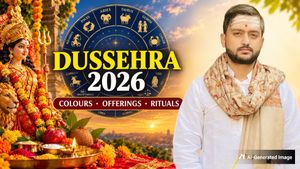 Dussehra 2026: Astrologer Ashutosh Clairvoyant On Colours, Offerings And Puja Rituals For Each Zodiac Sign


Maha Kumbh 2025 : A Look At The Sacred Rituals That Bring Millions Together

The Maha Kumbh Mela, scheduled from 13 January to 26 February 2025 in Prayagraj, India, is a grand spiritual gathering that attracts millions of devotees from around the globe. This festival is rich with rituals, each holding deep significance and offering a unique glimpse into the profound traditions of Hinduism. Let's see what they are.

Aarti: Reverence to the Rivers
Aarti is a devotional ritual that venerates the sacred rivers, particularly the Ganga and Yamuna, at their confluence in Prayagraj. Conducted both in the mornings and evenings, priests known as Batuks chant hymns fervently while holding intricately designed lamps. The flames symbolize respect to the holy waters, and the rising fumes create a mystical ambiance, embodying the union of earthly and divine elements.
Snan: The Purifying Bath
The ritual of Snan, or bathing, stands as the most significant act during the Kumbh Mela. Millions of pilgrims immerse themselves in the holy waters at the Triveni Sangam-the confluence of the Ganga, Yamuna, and the mythical Saraswati. This act is believed to cleanse one of all sins, liberate ancestors from the cycle of rebirth, and aid in attaining Moksha, or spiritual liberation. The Shahi Snan, or 'Royal Bath,' marks the commencement of the Kumbh, featuring grand processions of saints and members of various Akharas (religious orders), and is considered the festival's central highlight.

Kalpavas: A Period of Austerity
Kalpavas is a month-long period of austerity and spiritual practice observed by devotees during the Kumbh Mela. According to sacred texts like the 'Brahma Purana' and 'Padma Purana,' Kalpavas begins on Ekadashi of the full moon in the Paush month and concludes on 'Maghi Ekadashi.' During this time, Kalpavasis reside in the vicinity of the Sangam, adhering to strict routines of prayer, meditation, and simplicity, seeking spiritual renewal and enlightenment.
Deep Daan: Offering of Lamps
Deep Daan involves the offering of oil lamps to the sacred rivers during the Kumbh Mela. Devotees light lamps and set them afloat on the river's surface, symbolizing the dispelling of darkness and the illumination of the soul. This serene ritual signifies the devotee's surrender to divine will and the pursuit of inner purity.
Triveni Sangam: The Sacred Confluence
The Triveni Sangam in Prayagraj is the meeting point of three rivers - the Ganga, Yamuna, and the mythical Saraswati. This confluence is considered one of the holiest places in Hinduism. Bathing at this juncture during the Kumbh Mela is believed to offer unparalleled spiritual benefits, including the absolution of sins and the attainment of Moksha.
Prayagraj Panchkoshi Parikrama: The Sacred Circumambulation
The Prayagraj Panchkoshi Parikrama is a traditional circumambulation of a sacred five-kilometer radius around Prayagraj. Pilgrims undertake this journey on foot, visiting various temples and holy sites along the way. This ritual is an act of devotion and penance, reflecting the pilgrim's dedication to spiritual growth and purification.

Complementing these rituals, places like the Shri Madhava Temples serve as vital centres of devotion, offering pilgrims a space for prayer, reflection, and community worship. Together, these elements create a profound spiritual experience, blending age-old traditions with collective reverence, making the Kumbh Mela a truly unforgettable journey of the soul.

 Continue with Google

