




 Click it and Unblock the Notifications


Latest Updates
-
 You Don't Need Surgery for Every Sinus Problem: When Is FESS Actually Necessary?
 -
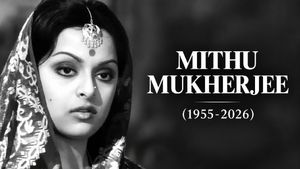 Who Was Mithu Mukherjee? Veteran Bengali Actress Passes Away At 71
 -
 Ahmedabad Police Flag Fraud Risk Behind Viral 'Rent A Garba Partner' Ads
 -
 Vidya Balan’s Jailer 2 Entry As Kantha: From Silk To Manjulika, A Look At Her Unconventional Roles
 -
 Samay Raina Has Now Denied Dating Rumours With Two Women In Three Months
 -
 Kareena Kapoor Turns 46: From Size Zero To Fine Lines, The ‘Daayra’ Actress Is Choosing To Age Without Apology
 -
 The Emotional Side of Delayed Parenthood That We Don’t Talk About Enough
 -
 World Alzheimer’s Day 2026: Why Early Diagnosis Matters And What This Year’s Theme Means
 -
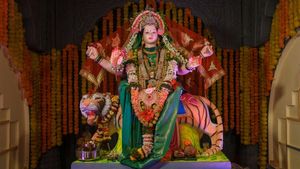 When Is Navratri In 2026? Full Dates, Rituals, Colours, Significance, and Fasting Guide
 -
 Vijay Sethupathi Confirms Maharaja 2, Hollywood Remake In The Works


Chaitra Navratri 2026 Day 7: Maa Kalaratri – Significance, Rituals, Colour And Meaning Explained

There is a shift in the energy with the approach of the seventh day in the celebrations of Navratri. The celebrations become more subdued, more contemplative, and more intense. There is a sense of reflection, reflection on fear, darkness, and the unknown. This is because the seventh day in the celebrations of Navratri is dedicated to the worship of Maa Kalaratri, the most fearsome, yet probably the most misunderstood form of Goddess Durga.
She may look intimidating, but she is actually the embodiment of protection. Maa Kalaratri is believed to remove darkness from both inside and outside and bestow courage, wisdom, and spiritual enlightenment upon her devotees.
Who Is Maa Kalaratri?

Maa Kalaratri is the seventh form of Navadurga. Her name is also significant, as "Kaal" means time or death, and "Ratri" means night, representing the ultimate annihilator of darkness and ignorance.
Her description is given as dark in complexion, disheveled hair, three eyes, fearless, riding a donkey, and holding a sword and thunderbolt in one hand, with the remaining hands in a benevolent position, giving assurance of protection and fearlessness.
She is also known by the name "Shubhankari," referring to the one who is the harbinger of all good things.
Significance of Day 7
The seventh day of Chaitra Navratri has a connection to the elimination of fear, negativities, and hurdles. Devotees believe that by worshipping Maa Kalaratri, one can overcome their inner insecurities and emotional darkness.
On a spiritual level, the seventh day of Navratri has a connection to Sahasrara Chakra, which is also known as Crown Chakra. This day represents the stage when the seeker comes closer to self-realisation.
The presence of Maa Kalaratri in our lives also represents the fact that destruction is not always bad.
Navratri Day 7 Colour
The colour associated with Maa Kalaratri is Grey.
It is symbolic of the idea of finding a balance and peacefulness that exists in the middle of two extremes. The colour also symbolises the idea of being grounded even in the midst of uncertainty and chaos. When the devotees wear grey on this day, they are tuned to the balancing energy of the devi.
Rituals and Puja Vidhi

Devotees follow specific rituals on this day to seek Maa Kalaratri's blessings:
Early morning bath and clean attire: Begin the day with purity and a calm mind.
- Offerings (Bhog): Jaggery (gur) or sweets made from jaggery are offered, as they are believed to please the Goddess.
- Lighting a diya: A ghee lamp is lit to invite positivity and dispel darkness.
- Chanting mantras: Reciting Maa Kalaratri's mantras or Durga Saptashati is considered highly auspicious.
- Night prayers: Since she is associated with night, many devotees perform special prayers after sunset.
Temples often hold special aartis, and the atmosphere carries a sense of intensity mixed with devotion.
Spiritual Meaning Behind Maa Kalaratri
Maa Kalaratri isn't just about fearsome imagery, she represents confronting what we often avoid.
Her form symbolises:
- Letting go of fear
- Facing truth without illusion
- Destroying ego and ignorance
- Embracing transformation
In many ways, Day 7 feels like an emotional turning point in Navratri. It's not just about rituals anymore; it becomes about inner work.

 Continue with Google

