




 Click it and Unblock the Notifications


Latest Updates
-
 Durga Puja Pandals Mumbai 2026: 7 Stunning Celebrations To Explore From Matunga To Juhu
 -
 World Spine Day 2026: Is Your Phone Habit Causing Neck Pain? What To Know About Tech Neck
 -
 Breast Cancer Awareness Month 2026: Expert Explains Why Family History Isn't the Only Risk
 -
 Skanda Sashti 2026: Significance, Vrat Rituals And How Devotees Observe The Day
 -
 Saraswati Avahan 2026: Significance, Shubh Muhurat, Rituals And Puja Vidhi
 -
 Navratri Day 6: Maa Katyayani Puja, Colour, Rituals, And Significance
 -
 Garba Before The DJ Era: What Navratri Looked Like In Earlier Times
 -
 What Does Indian Design Mean Today? A Creative Director Explains
 -
 Why Your Vision Can Feel Different In Bright And Dim Rooms, Expert Explains
 -
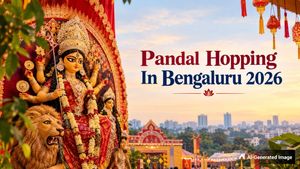 Pandal Hopping In Bengaluru 2026: 7 Durga Puja Venues Worth Your Time


Basant Panchami at Hazrat Nizamuddin Dargah: A 700-Year-Old Tradition of Spring, Song, and Shared Faith

Each year, as winter starts receding from Delhi, the Hazrat Nizamuddin Dargah witnesses a subtle change. Yellow is the new colour. Mustard flowers can be easily spotted on hands or carried in baskets. But what happens here on Basant Panchami is not just the celebration of the arrival of spring; rather, what we see is the living experience of a 700-year-old saga filled with the sense of love, the sense of music, and the sense of oneness.
The Story That Started It All

The origins of this unique tradition are traced back to Amir Khusrau, the legendary poet, musician, and disciple of Nizamuddin Auliya. According to tradition, Nizamuddin Auliya was deeply saddened by the death of his nephew. Seeing his beloved teacher in grief, Amir Khusrau sought a way to lift his spirits.
One day, Khusrau saw villagers celebrate Basant Panchami-welcoming spring in yellow attire, with songs and mustard flowers in full bloom. The fragrance of the season had a deep impact on his heart. Moved by the joy of the season, he returned to the dargah dressed in yellow, singing verses in praise of spring and renewal. The sight and sound are said to have brought a smile to the saint's face. Since then, Basant Panchami became part of the dargah's spiritual calendar.
Why Yellow Matters
At the dargah, yellow is more than a festive colour. It symbolises spring, new beginnings, and hope. Devotees, irrespective of religion, wear yellow clothes, offer mustard flowers, and participate in the celebrations. The colour also echoes the wider Basant Panchami tradition across India, where spring is welcomed and knowledge is honoured, often associated with Goddess Saraswati.
Qawwalis, Flowers, and Collective Joy
Music is at the core of the festivities. There is music praising the themes of love, devotion, and rebirth. These qawwalis reverberate through the shrine, as Amir Khusrau himself helped shape the genre. While the act of offering flowers and songs is a form of devotion, it also brings out the joy as a form of spiritual practice.
A Living Symbol of Syncretic Culture
What makes the celebration of Basant Panchami at the shrine of Hazrat Nizamuddin Dargah special is the sense of inclusiveness that pervades the event. A Hindu-themed spring festival takes place in the precinct of Sufi shrine. Poetry and music are as integral as religion to the event. This celebration can be seen as the face of the syncretic culture of India. Traditions never vie with each other; rather, they talk.
More Than a Festival
Seven centuries later, the tradition persists, not as a relic of the past, but as the living, breathing tradition. Basant Panchami at the shrine of Hazrat Nizamuddin Dargah reminds us of the passage of the seasons, the transforming power of grief, and the unifying legacy of cultural traditions.
This quiet, yellow-clad observance in an era often marked by division presents an everyday yet deep expression: renewal is possible through music, compassion, and religious faith."

 Continue with Google

