




 Click it and Unblock the Notifications


Latest Updates
-
 Arijit Singh India Tour 2027: First Concerts After Playback Exit
 -
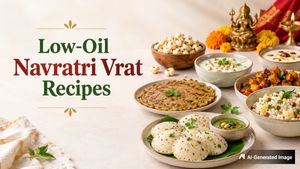 Healthy Navratri Recipes: 8 Low-Oil Vrat Dishes To Try This Year
 -
 Harmanpreet Kaur Steps Down As Captain: Career In Numbers And Mandhana Likely Next
 -
 Why Stress Can Make Psoriasis Flare And Why Scratching Makes It Worse
 -
 Jeffrey Archer Dies At 86, One Day Before Adam & Eve Goes On Sale
 -
 Amitabh Bachchan, 83, Struggles To Sleep After Knee Injury On KBC 18
 -
 World Cerebral Palsy Day 2026: Theme, Significance And Why Inclusion Matters For People With CP In India
 -
 Navratri 2026: 5 Vrat Recipes To Add A Fresh Twist To Your Traditional Fasting Food Menu
 -
 Navratri Recipes 2026: Quick Navratri Recipes You Can Make In Under 30 Minutes
 -
 Handwoven Craft Meets Contemporary Elegance In Kasturi Kundal’s Festive Edit


Ashadh Gupt Navratri 2026: Significance, Day-Wise Goddess Worship, Rituals And Fasting Rules

Ashadh Navratri, also known as Ashadh Gupt Navratri, is one of the four Navratris observed in the Hindu calendar each year. Celebrated during the Shukla Paksha of the month of Ashadha, it is one of the two Gupt Navratris, the other being Magha Gupt Navratri. While Chaitra Navratri and Sharad Navratri are marked by grand public celebrations across India, the Gupt Navratris are observed more privately, especially by devotees following Shakta traditions.

Dedicated to Goddess Durga and her divine forms, Ashadh Gupt Navratri 2026 is considered an auspicious time for spiritual practices, mantra sadhana, meditation, and the worship of the Das Mahavidyas. The nine-day festival is particularly significant for spiritual seekers, though many devotees also observe it through simple prayers, fasting, and daily worship.
Ashadh Gupt Navratri 2026 Date
- Starts: Wednesday, July 15, 2026
- Ends (Navami): Thursday, July 23, 2026
- Parana (for those observing a fast): After Navami on July 23, 2026, as per the local Panchang.
Ghatasthapana (Kalash Sthapana)
Ashadh Gupt Navratri begins with Ghatasthapana (Kalash Sthapana) on July 15, 2026, marking the invocation of Goddess Durga. The exact Ghatasthapana Muhurat varies from city to city, and devotees are advised to follow the auspicious timings mentioned in their local Panchang.
Day-Wise Goddess Worship During Ashadh Gupt Navratri
July 15 (Wednesday) - Pratipada: Maa Shailputri
July 16 (Thursday) - Dwitiya: Maa Brahmacharini
July 17 (Friday) - Tritiya: Maa Chandraghanta
July 18 (Saturday) - Chaturthi: Maa Kushmanda
July 19 (Sunday) - Panchami: Maa Skandamata
July 20 (Monday) - Shashthi: Maa Katyayani
July 21 (Tuesday) - Saptami: Maa Kalaratri
July 22 (Wednesday) - Ashtami: Maa Mahagauri
July 23 (Thursday) - Navami: Maa Siddhidatri
Significance Of Ashadh Gupt Navratri
Ashadh Gupt Navratri is considered highly auspicious for devotees seeking spiritual growth and the blessings of the Divine Mother. It is believed to be an ideal period for prayer, self-discipline, and inner transformation.
During these nine days, devotees observe the festival through:
- Worship of Goddess Durga in her nine forms (Navadurga)
- Worship of the Das Mahavidyas
- Mantra chanting and practices aimed at attaining mantra siddhi
- Meditation and spiritual discipline
- Shakti and Tantra sadhana (traditionally under the guidance of a qualified guru)
- Seeking protection, wisdom, prosperity, and inner strength
Unlike Sharad Navratri, the observances during Gupt Navratri are generally more private, which is why it is known as "Gupt" (secret) Navratri.
Das Mahavidyas Worshipped During Ashadh Gupt Navratri
Many Shakta traditions dedicate these nine days to the worship of the Das Mahavidyas, the ten wisdom goddesses:
- Kali
- Tara
- Tripura Sundari (Shodashi)
- Bhuvaneshwari
- Bhairavi
- Chhinnamasta
- Dhumavati
- Bagalamukhi
- Matangi
- Kamala
The sequence of worship may differ depending on regional customs and spiritual traditions.
Ashadh Gupt Navratri Puja Rituals To Follow
Devotees generally observe the following rituals during Ashadh Gupt Navratri:
- Wake up early and take a holy bath.
- Clean the puja area before beginning the day's worship.
- Perform Ghatasthapana on the first day.
- Offer red flowers, fruits, sweets, coconut, and betel leaves to the Goddess.
- Light a ghee lamp during the puja.
- Chant Durga Saptashati, Devi Mahatmya, Durga Chalisa, or Lalita Sahasranama, according to family tradition.
- Offer bhog and perform aarti in the morning and evening.
- Maintain purity in thoughts, speech, and conduct throughout the nine days.
Fasting Rules During Ashadh Gupt Navratri
Fasting practices may vary according to family customs and regional traditions. However, devotees commonly follow these guidelines:
- Consume only satvik food.
- Avoid onion, garlic, meat, eggs, and alcohol.
Some devotees observe a fruit-only fast. Others consume vrat-approved foods such as:
- Fruits
- Milk
- Curd
- Makhana
- Sabudana
- Singhara flour
- Kuttu flour
- Rock salt (Sendha Namak)
Who Observes Ashadh Gupt Navratri?
Ashadh Gupt Navratri is commonly observed by:
- Shakta devotees
- Spiritual seekers
- Sadhus and saints
- Practitioners of Shakta and Tantric traditions
- Those seeking mantra siddhi
- Devotees praying for protection, success, and spiritual growth
Many household devotees also observe the festival through simple Durga worship, fasting, and daily prayers.
Important Things To Avoid During Ashadh Gupt Navratri
During the nine days, devotees traditionally avoid:
- Tamasic food
- Alcohol and smoking
- Anger and harsh speech
- Breaking a vowed fast without a valid reason
- Beginning advanced Tantric rituals without proper guidance
These observances may vary according to family customs and spiritual lineages.
Why Is It Called "Gupt" Navratri?
The word "Gupt" means "hidden" or "secret." Unlike Chaitra and Sharad Navratri, which are celebrated publicly with grand festivities, Ashadh Gupt Navratri places greater emphasis on private worship, meditation, mantra japa, and spiritual disciplines. This unique focus makes it especially significant in Shakta and Tantric traditions.
Ashadh Gupt Navratri 2026: A Time For Inner Devotion And Spiritual Growth
Ashadh Gupt Navratri may not be celebrated with the same grandeur as Chaitra or Sharad Navratri, but it holds immense spiritual significance for devotees. The nine sacred days are dedicated to prayer, fasting, self-discipline, and seeking the blessings of Goddess Durga through sincere devotion. Observed through elaborate rituals or simple daily worship, Ashadh Gupt Navratri 2026 offers an opportunity to strengthen one's faith and embark on a journey of inner peace and spiritual growth.

 Continue with Google

