




 Click it and Unblock the Notifications


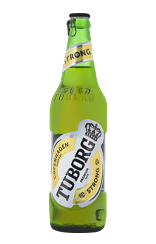
Tiger Lager Beer-pints Bottles
Tiger Lager Beer-pints Bottles Price

330 ml
₹ 103
330 ml
₹ 39
₹ 103
Karnataka
Preparation
The preparation of Tiger Lager Beer involves several steps. First, the malted barley is mashed with hot water. This creates a sugary liquid called wort. The wort is then boiled with hops to add bitterness and aroma. After boiling, the wort is cooled and fermented with yeast.Flavour Profile
Tiger Lager Beer has a balanced flavour profile. It offers a light malt sweetness and a mild hop bitterness. The beer has a clean finish, making it easy to drink. Its refreshing taste makes it suitable for various occasions.Variations
Tiger Lager Beer comes in different variations. These include Tiger Crystal, which is lighter and crisper. There is also Tiger Black, which has a stronger flavour. Each variation offers a unique taste experience.Cultural Significance
Tiger Lager Beer holds cultural significance in many Asian countries. It is often enjoyed during festivals and celebrations. The beer symbolizes good times and social gatherings.Pairings
Tiger Lager Beer pairs well with various foods. It complements spicy dishes, seafood, and grilled meats. The beer's crispness helps balance rich and savoury flavours.Serving Suggestions
Serve Tiger Lager Beer chilled for the best experience. Use a clean glass to pour the beer gently, creating a nice foam head. This enhances the aroma and flavour of the beer.Popularity and Trends
Tiger Lager Beer remains popular worldwide. It has won numerous awards for its quality and taste. The brand continues to innovate with new products and marketing campaigns.Interesting Facts
Tiger Lager Beer was the first locally brewed beer in Singapore. It is now available in over 60 countries. The brand has also been involved in various sports sponsorships.Health Considerations
Moderate consumption of Tiger Lager Beer can be part of a balanced lifestyle. However, excessive drinking can lead to health risks such as liver disease and addiction. Always drink responsibly.Production Regions
Tiger Lager Beer is brewed in several countries, including Singapore, Malaysia, and Vietnam. Each brewery follows strict quality control measures to ensure consistency.Legal Status and Regulations
The legal status of Tiger Lager Beer varies by country. Always check local laws regarding alcohol consumption and purchase age limits.Distillation and Aging Process
Tiger Lager Beer does not undergo distillation or aging like spirits do. The beer is brewed, fermented, filtered, and packaged within weeks to maintain freshness.Historical Anecdotes
Tiger Lager Beer played a role during World War II when it was enjoyed by soldiers stationed in Asia. Its popularity grew as these soldiers returned home with stories of the beer.Economic Impact
The production of Tiger Lager Beer contributes significantly to local economies through job creation and tourism. Breweries often support local farmers by sourcing ingredients locally.Environmental Considerations
The production of Tiger Lager Beer involves water usage and waste management practices aimed at reducing environmental impact. Breweries are adopting sustainable practices to minimize their footprint.Cocktail Recipes
Tiger Lager Beer can be used in various cocktail recipes such as beer margaritas or shandies. These cocktails offer a refreshing twist on traditional drinks.Conservation Efforts
The brand supports wildlife conservation efforts, particularly for tigers in Asia. These initiatives aim to protect endangered species and their habitats.Awards and Recognition
Tiger Lager Beer has received numerous awards for its quality and taste at international beer competitions. These accolades highlight the brand's commitment to excellence.Sustainability Focus
The Tiger Lager Beer industry focuses on sustainability by implementing eco-friendly practices such as recycling programs and energy-efficient brewing processes.Aspect | Description |
History & Origin | Brewed since 1932 in Singapore |
Main Ingredients | Water, malted barley, hops, yeast |
Flavour Profile | Light malt sweetness, mild hop bitterness |
Variations | Tiger Crystal, Tiger Black |
Cultural Significance | Popular during festivals in Asia |
Pairings | Spicy dishes, seafood, grilled meats |
Awards & Recognition | Numerous international awards for quality & taste |
Sustainability Focus | Eco-friendly practices in brewing process |
Cocktail Recipes | Margaritas, shandies using Tiger Lager Beer |
Conservation Efforts | Supports wildlife conservation for tigers in Asia |
Legal Status & Regulations | Varies by country; check local laws |
Production Regions | Brewed in Singapore, Malaysia, Vietnam |
Economic Impact | Job creation & tourism support |
Environmental Considerations | Sustainable water usage & waste management |
Health Considerations | <Moderate consumption advised; excessive drinking risks |





 Continue with Google