




 Click it and Unblock the Notifications


Selection Wine Price 2026

Latest Selection Wine Price List
Wine name |
State |
Volume |
Price |
|---|---|---|---|
|
Goa |
750 ml |
₹ 692.00 |
|
|
Goa |
750 ml |
₹ 1699.00 |
|
|
Goa |
750 ml |
₹ 1699.00 |
|
|
Goa |
750 ml |
₹ 990.00 |
Selection Wine History and Production
The history of alcoholic brand selection is rich and varied. It dates back to ancient times when people first discovered fermentation. Over the centuries, different cultures developed unique alcoholic beverages. These drinks became integral to social and religious practices. The selection of brands evolved with trade and exploration, introducing new flavours and techniques worldwide.
Type
Alcoholic brands offer a wide range of types. These include beer, wine, spirits, and liqueurs. Each type has its own distinct characteristics. Beer is often brewed from grains like barley. Wine is made from fermented grapes. Spirits are distilled beverages with higher alcohol content. Liqueurs are sweetened spirits with added flavours.
Manufacturer
Manufacturers play a crucial role in the alcoholic brand selection process. They are responsible for producing and marketing these beverages. Large companies dominate the market, but small craft producers also have a significant presence. These manufacturers focus on quality, consistency, and innovation to meet consumer demands.
Popularity and Trends
The popularity of alcoholic brands changes over time. Trends in the industry are influenced by consumer preferences, health awareness, and cultural shifts. Recently, there has been a growing interest in craft beers and organic wines. Low-alcohol and non-alcoholic options are also gaining traction among health-conscious consumers.
Production Regions
Production regions are vital to the identity of alcoholic brands. Certain areas are renowned for their unique climate and soil conditions, which influence the taste of the beverage. For example, Scotch whisky is closely associated with Scotland's rugged landscape. Similarly, Champagne is exclusively produced in the Champagne region of France.
Production Techniques and Innovations
Production techniques have evolved significantly over time. Traditional methods are still valued for their authenticity and flavour. However, modern innovations have improved efficiency and quality control. Techniques like barrel aging enhance the complexity of spirits. Sustainable practices are also becoming more common in response to environmental concerns.
Historical Milestones
The history of alcoholic brand selection is marked by several milestones. The introduction of distillation revolutionised spirit production. The invention of pasteurisation improved beer quality and shelf life. Prohibition periods in various countries impacted production and consumption patterns significantly.
Global Reach
Alcoholic brands have a global reach today. International trade has made it possible for consumers to enjoy beverages from around the world. Brands adapt their products to suit different markets while maintaining their core identity. This global presence helps them reach diverse audiences and expand their influence.
Cultural Impact
The cultural impact of alcoholic brands is profound. They play a role in celebrations, rituals, and social gatherings across cultures. Alcoholic beverages often symbolise hospitality and friendship. They also inspire art, literature, and music, reflecting their significance in human history.
In 2020, the global recruitment market was valued at $215 billion. This shows the importance of selection in hiring processes.
Approximately 75% of employers use some form of selection test during recruitment to ensure they hire the right candidate.
Research from 2019 indicates that structured interviews are 57% more effective than unstructured ones in predicting job performance.
In India, the average time to fill a position is 39 days, highlighting the need for efficient selection processes.
By 2025, it is estimated that AI will handle up to 30% of recruitment tasks, including initial candidate selection.
According to a 2021 survey, 67% of job seekers consider diversity in selection processes important when choosing an employer.
In a study conducted in 2018, companies with effective selection processes reported a 15% increase in employee retention rates.
Selection is a crucial process in many fields, including education, employment, and sports. In India, selection plays a vital role in determining opportunities and outcomes. This article explores the significance of selection in various sectors across the country. Understanding how selection works can help individuals prepare better for their future.
Selection in Education
In India, educational selection often begins with entrance exams. These exams are crucial for admission to prestigious institutions. Students prepare rigorously to secure a place in top colleges and universities. The competition is intense, making selection a critical step in shaping academic careers.
Selection in Employment
Employment selection involves multiple stages, including applications, interviews, and tests. Companies look for candidates who fit their requirements and culture. Selection processes are designed to identify the best talent for specific roles. This ensures that organisations hire individuals who can contribute effectively.
Selection in Sports
Sports selection in India is highly competitive. Athletes undergo trials to demonstrate their skills and potential. Selection committees evaluate performance to choose the best players for teams. This process is essential for building strong teams that can compete internationally.
Challenges in the Selection Process
The selection process in India faces several challenges. High competition levels can lead to stress and anxiety among candidates. Additionally, there may be biases that affect fair selection. Addressing these issues is important to ensure equal opportunities for all participants.
Improving Selection Processes
Efforts are being made to improve selection processes across sectors. Transparent criteria and unbiased evaluation methods are key factors. Technology also plays a role by streamlining procedures and reducing human error. These improvements aim to make selection fairer and more efficient.
Frequently Asked Questions (FAQ)
What are the different types of alcoholic beverages?
Alcoholic beverages include beer, wine, spirits, and liqueurs. Each type has its own distinct characteristics.
Who are the key players in the alcoholic brand selection process?
Manufacturers play a crucial role in producing and marketing alcoholic brands. Large companies dominate the market, but small craft producers also have a significant presence.
What are the current popularity trends in alcoholic brand selection?
Recent trends include a growing interest in craft beers and organic wines. Low-alcohol and non-alcoholic options are also gaining traction among health-conscious consumers.
How have production techniques and innovations impacted alcoholic brand selection?
Traditional methods are still valued for their authenticity and flavor, but modern innovations have improved efficiency and quality control. Techniques like barrel aging enhance the complexity of spirits, and sustainable practices are becoming more common.
Disclaimer: The information presented on this page regarding liquor prices, types, and brands is intended for general reference only. While we strive for accuracy; prices and availability may vary. For the most up-to-date information, please consult local retailers or official sources. Consumption of alcoholic beverages should be done responsibly, in accordance with legal drinking age requirements and health conditions. We do not endorse the consumption of alcohol.
Brand Wise Wine Price List
Brand Wise Whisky Price List
Latest Updates
-
 Amitabh Bachchan's Misunderstood Blog Sparked Concern, But His Real Medical Battles Define Resilience
 -
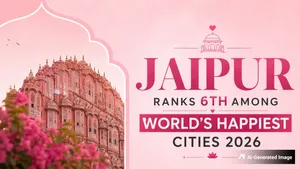 Jaipur Ranks 6th Among World's Happiest Cities 2026: The Culture Behind The Joy
 -
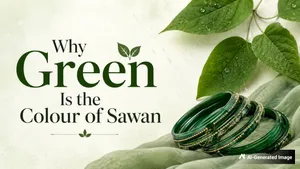 Why Green Is the Colour of Sawan: History, Symbolism, and Styling Tips
 -
 Legionnaires' Disease Outbreak: What It Is, Symptoms, Causes, And Prevention Explained
 -
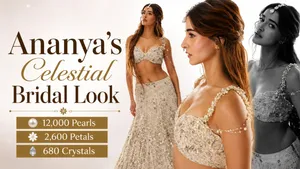 Ananya Panday's Gaurav Gupta Couture Featured 12,000 Pearls, 2,600 Petals And A Celestial Love Story
 Continue with Google