




 Click it and Unblock the Notifications


Samara White Wine
Samara White Wine Price

750 ml
₹ 315
₹ 315
West Bengal
Ingredients
The main ingredient in Samara White Wine is grapes. These grapes are harvested at their peak ripeness to ensure the best flavour. Other ingredients may include yeast and sometimes sugar, depending on the desired sweetness of the wine.Preparation
The preparation of Samara White Wine involves several steps. First, the grapes are crushed to extract the juice. This juice is then fermented with yeast to convert sugars into alcohol. The wine is aged in barrels to develop its flavour before bottling.Flavour Profile
Samara White Wine is known for its light and crisp flavour. It often has notes of citrus, green apple, and pear. The acidity level is balanced, making it a refreshing choice for many occasions.Variations
There are several variations of Samara White Wine. Some are dry, while others are sweet. The sweetness level depends on the amount of residual sugar left after fermentation. There are also sparkling versions available.Cultural Significance
Samara White Wine holds cultural significance in many regions. It is often used in celebrations and rituals. In some cultures, it is a symbol of prosperity and good fortune.Pairings
This wine pairs well with a variety of foods. It complements seafood dishes like grilled fish or shrimp. It also goes well with light salads and soft cheeses.Serving Suggestions
Samara White Wine is best served chilled. The ideal serving temperature is between 7-10°C. It should be poured into a glass that allows the aromas to develop fully.Popularity and Trends
The popularity of Samara White Wine has grown over the years. It is now enjoyed by wine enthusiasts around the world. Trends show an increasing preference for organic and sustainably produced wines.Interesting Facts
An interesting fact about Samara White Wine is that it was once considered a luxury item reserved for royalty. Today, it is accessible to everyone and enjoyed by people from all walks of life.Health Considerations
Moderate consumption of Samara White Wine may offer some health benefits, such as antioxidants from grapes. However, excessive drinking can lead to health risks like liver damage and addiction.Production Regions
The primary production region for Samara White Wine is the Samara region itself. However, it is also produced in other parts of the world with similar climates, such as parts of Europe and North America.Legal Status and Regulations
The legal status of Samara White Wine varies by country. In some places, there are strict regulations on production and sale. Always check local laws before purchasing or consuming alcohol.Distillation and Aging Process
The distillation process for Samara White Wine involves fermenting grape juice with yeast. After fermentation, the wine is aged in barrels to enhance its flavour profile before being bottled for sale.Historical Anecdotes
A historical anecdote about Samara White Wine involves its use in ancient royal courts. It was often served during banquets and celebrations as a symbol of wealth and sophistication.Economic Impact
The production and sale of Samara White Wine have a significant economic impact on the regions where it is produced. It provides jobs and supports local economies through tourism and exports.Environmental Considerations
The production of Samara White Wine has environmental considerations such as water usage and pesticide application. Many producers are now adopting sustainable practices to minimise their environmental footprint.Cocktail Recipes
Samara White Wine can be used in various cocktail recipes. One popular option is a white wine spritzer, made by mixing white wine with soda water and a splash of citrus juice.Conservation Efforts
Conservation efforts in the Samara White Wine industry focus on sustainable farming practices. These include reducing water usage, avoiding harmful pesticides, and promoting biodiversity in vineyards.Awards and Recognition
Samara White Wine has received numerous awards for its quality and taste. These accolades come from prestigious wine competitions around the world, highlighting its excellence in winemaking.Sustainability Focus
Sustainability practices within the Samara White Wine industry include organic farming methods and eco-friendly packaging solutions. These efforts aim to protect the environment while producing high-quality wine.Disclaimer: The information presented on this page regarding liquor prices, types, and brands is intended for general reference only. While we strive for accuracy; prices and availability may vary. For the most up-to-date information, please consult local retailers or official sources. Consumption of alcoholic beverages should be done responsibly, in accordance with legal drinking age requirements and health conditions. We do not endorse the consumption of alcohol.
Wine Price List in City
Gin Products You Might Like
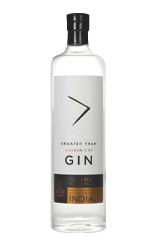
Greater Than London Dry Gin - 750 ml
₹ 1960.00
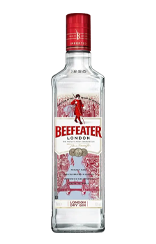
Beefeater London Dry Gin - 750 ml
₹ 2820.00
Monkey 47 Schwarzwald Dry Gin - 500 ml
₹ 4955.00
Tanqueray London Dry Gin - 750 ml
₹ 3030.00
Latest Updates
-
 Alia Bhatt's Ethnic Outfits Stole Every Spotlight At Best Friend Akansha Ranjan Kapoor's Wedding Celebrations
 -
 Jagannath Rath Yatra 2026: 10 Iconic Odia Delicacies Every Visitor Must Try In Puri
 -
 Katrina Kaif Shares Birthday Dump, Gives Glimpse Of Baby Vihaan: 10 Little Details Worth A Closer Look
 -
 Sita Vs Shurpanakha! Sai Pallavi And Rakul Preet Singh's Sarees Ruled The Ramayana Pratham Sankalp Event
 -
 National Film Awards 2026: From Yami Gautam's Big Win To Dhanush's Double Triumph—7 Biggest Takeaways
 Continue with Google