




 Click it and Unblock the Notifications


Saki Red Wine
Saki Red Wine Price

180 ml
₹ 70
375 ml
₹ 138
750 ml
₹ 263
₹ 263
Karnataka
Ingredients
Saki Red Wine is made from rice, water, yeast, and koji mold. The quality of these ingredients greatly affects the final product. High-quality rice and pure water are essential for producing premium Saki.Preparation
The preparation of Saki involves several steps. First, the rice is polished to remove the outer layer. Then, it is washed and steamed. Koji mold is added to the steamed rice to convert starches into sugars. Yeast is then added to ferment the mixture into alcohol.Flavour Profile
Saki Red Wine has a unique flavour profile. It is often described as having a rich, umami taste with hints of fruit and spice. The flavour can vary depending on the brewing process and ingredients used.Variations
There are several variations of Saki Red Wine. Some are sweeter, while others are dry. The type of rice used and the brewing process can create different flavours and textures.Cultural Significance
Saki holds significant cultural importance in Japan. It is often used in traditional ceremonies and celebrations. Drinking Saki is also a social activity that brings people together.Pairings
Saki Red Wine pairs well with various foods. It complements sushi, sashimi, and other Japanese dishes. It can also be enjoyed with cheese and light appetisers.Serving Suggestions
Saki can be served warm or chilled, depending on personal preference and the type of Saki. It is traditionally served in small cups called ochoko or in wooden boxes called masu.Popularity and Trends
Saki Red Wine has seen a rise in popularity worldwide. Many people appreciate its unique taste and cultural significance. It is now available in many countries outside Japan.Interesting Facts
Saki has been brewed for over 1,000 years. The oldest known brewery dates back to the 8th century. There are over 1,500 Saki breweries in Japan today.Health Considerations
Moderate consumption of Saki may offer some health benefits, such as improved digestion and heart health. However, excessive drinking can lead to health risks like liver damage and addiction.Production Regions
Saki is produced in various regions across Japan. Each region has its own unique brewing techniques and flavours. Some famous regions include Niigata, Hiroshima, and Kyoto.Legal Status and Regulations
The legal status of Saki varies by country. In India, it is important to check local laws regarding alcohol consumption and purchase age limits.Distillation and Aging Process
Saki is not distilled like spirits but brewed like beer. Some types of Saki are aged for several years to develop complex flavours.Historical Anecdotes
In ancient Japan, Saki was considered a divine drink offered to gods during rituals. Samurai warriors also drank Saki before battles for courage.Economic Impact
The Saki industry contributes significantly to Japan's economy through exports and tourism. Many tourists visit Japan to experience traditional Saki breweries.Environmental Considerations
Sustainable practices are becoming more common in Saki production. Breweries are focusing on reducing waste and using eco-friendly packaging materials.Cocktail Recipes
Saki can be used in various cocktails like the Saketini or Sake Mojito. These cocktails combine the unique taste of Saki with other ingredients for a refreshing drink.Conservation Efforts
Brewery associations are working towards conserving traditional brewing methods while adopting modern sustainable practices to protect the environment.Awards and Recognition
Saki Red Wine has received numerous awards for its quality and taste at international wine competitions, showcasing its global appeal.Sustainability Focus
The Saki industry is increasingly focusing on sustainability by using organic rice and implementing energy-efficient brewing processes to reduce environmental impact.Aspect | Description |
History | Ancient Japan origins; religious ceremonies use; general population adoption over time. |
Ingredients | Rice, water, yeast, koji mold; quality impacts final product greatly. |
Preparation | Polishing rice; washing; steaming; adding koji mold; fermenting with yeast. |
Flavour Profile | Rich umami taste; hints of fruit/spice; varies by brewing process/ingredients. |
Cultural Significance | Important in Japanese ceremonies/celebrations; social activity bringing people together. |
Pairings | Sushi, sashimi; cheese; light appetisers; complements various foods well. |
Serving Suggestions | Warm or chilled; traditionally served in ochoko or masu cups/boxes. |
Awards & Recognition | Awarded for quality/taste at international competitions; showcases global appeal. |
Disclaimer: The information presented on this page regarding liquor prices, types, and brands is intended for general reference only. While we strive for accuracy; prices and availability may vary. For the most up-to-date information, please consult local retailers or official sources. Consumption of alcoholic beverages should be done responsibly, in accordance with legal drinking age requirements and health conditions. We do not endorse the consumption of alcohol.
Similar Wine Products You Might Like
Fratelli Sauvignon Blanc - 750 ml
₹ 747.00
Grover La Reserve Red - 375 ml
₹ 1225.00
Jacobs Creek Shiraz Cabernet - 750 ml
₹ 1350.00
Outback Jack Chardonnay - 750 ml
₹ 1295.00
Wine Price List in City
Tequila Products You Might Like
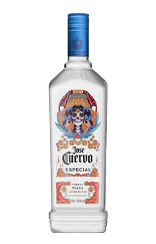
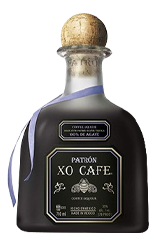
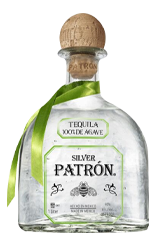
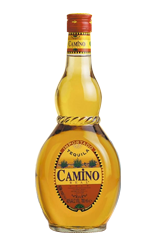
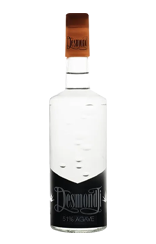
Desmondji 51 Agave - 750 ml
₹ 2390.00
Latest Updates
-
 For ‘Spider-Man: Brand New Day’ Promotions Zendaya Spins A Stylish Web With Spider-Inspired Method Dressing
 -
 10 Years, 69,000 Cases, $5.5 Billion: The End of the J&J Talc Controversy Explained
 -
 Desk Jobs, Stiff Bodies: Expert Explains How Sedentary Living Is Impacting Fascial Health
 -
 Ram Kapoor's Lock Upp Confession: "I Helped My Father Plan His Death"
 -
 Kokila Vrat 2026: Significance, Puja Vidhi, Rituals And Fasting Rules For A Blessed Married Life
 Continue with Google