




 Click it and Unblock the Notifications


Red Belt Red Wine
Red Belt Red Wine Price

180 ml
₹ 44
750 ml
₹ 162
₹ 162
Karnataka
Ingredients
Red Belt Red Wine is made from carefully selected red grapes. These grapes are known for their robust flavour and high-quality juice. Other ingredients include yeast, which aids in fermentation, and sometimes oak barrels, which add complexity to the wine.Preparation
The preparation of Red Belt Red Wine involves several steps. First, the grapes are harvested at peak ripeness. They are then crushed to extract the juice. Fermentation follows, where yeast converts sugars into alcohol. The wine is aged in barrels to develop its flavour.Flavour Profile
Red Belt Red Wine boasts a rich and complex flavour profile. It typically features notes of dark fruits like blackberries and plums. Hints of spices, oak, and sometimes chocolate can also be detected. The wine has a balanced acidity and smooth tannins.Variations
There are several variations of Red Belt Red Wine. These include different blends of grape varieties and aging processes. Some wines may be aged longer for a more intense flavour, while others are designed to be enjoyed young and fresh.Cultural Significance
Red Belt Red Wine holds significant cultural importance in many regions. It is often associated with celebrations and special occasions. In some cultures, it is a symbol of hospitality and tradition, reflecting the heritage of winemaking communities.Pairings
This wine pairs well with a variety of foods. It complements red meats like beef and lamb, as well as rich pasta dishes. Cheese platters featuring aged cheeses also make an excellent pairing choice for Red Belt Red Wine.Serving Suggestions
To enjoy Red Belt Red Wine at its best, serve it at room temperature or slightly chilled. Use a wide-bowled glass to allow the wine to breathe and release its aromas. Decanting the wine before serving can enhance its flavours further.Popularity and Trends
Red Belt Red Wine has seen a rise in popularity in recent years. Wine enthusiasts appreciate its rich flavour and versatility. Trends show an increasing interest in sustainable winemaking practices within this category.Interesting Facts
Did you know that some bottles of Red Belt Red Wine can age for decades? Another interesting fact is that the region's unique terroir contributes significantly to the wine's distinct taste profile.Health Considerations
Moderate consumption of red wine may offer some health benefits due to antioxidants like resveratrol. However, excessive drinking can lead to health risks such as liver disease and addiction. Always consume alcohol responsibly.Production Regions
The primary production region for Red Belt Red Wine is known for its ideal grape-growing conditions. This area’s climate, soil, and topography create perfect conditions for producing high-quality red wines.Legal Status and Regulations
The legal status of Red Belt Red Wine varies by country. It is important to check local laws regarding the purchase and consumption of alcohol. Regulations may include age restrictions and licensing requirements.Distillation and Aging Process
The distillation process is not typically used in winemaking; instead, fermentation is key. Aging in oak barrels adds depth to the wine's flavour profile. The length of aging can vary depending on the desired characteristics of the final product.Historical Anecdotes
Anecdotes about Red Belt Red Wine often highlight its role in historical events or famous gatherings. These stories add to the wine’s mystique and charm, making it a favourite among collectors and enthusiasts alike.Economic Impact
The production of Red Belt Red Wine contributes significantly to local economies. It provides employment opportunities in vineyards, wineries, and related industries such as tourism and hospitality.Environmental Considerations
Sustainable practices are increasingly important in winemaking. Many producers of Red Belt Red Wine focus on reducing their environmental footprint through organic farming methods and eco-friendly packaging solutions.Cocktail Recipes
While traditionally enjoyed on its own, Red Belt Red Wine can also be used in cocktails. Popular recipes include sangria, where the wine is mixed with fruits and other spirits for a refreshing drink option.Conservation Efforts
Conservation efforts within the industry aim to preserve natural resources and biodiversity. Initiatives include water conservation, soil health management, and protecting local wildlife habitats around vineyards.Awards and Recognition
Red Belt Red Wine has received numerous awards at international wine competitions. These accolades recognise its quality, craftsmanship, and contribution to the world of fine wines.Sustainability Focus
Sustainability is a key focus for many producers of Red Belt Red Wine. Practices such as organic farming, renewable energy use, and waste reduction are commonly adopted to ensure long-term environmental health.Disclaimer: The information presented on this page regarding liquor prices, types, and brands is intended for general reference only. While we strive for accuracy; prices and availability may vary. For the most up-to-date information, please consult local retailers or official sources. Consumption of alcoholic beverages should be done responsibly, in accordance with legal drinking age requirements and health conditions. We do not endorse the consumption of alcohol.
Similar Wine Products You Might Like
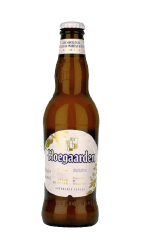
Fratelli Sauvignon Blanc - 750 ml
₹ 747.00
Jacobs Creek Chardonnay - 750 ml
₹ 671.00
Moletto Prosecco Extra Dry - 750 ml
₹ 1950.00
Wine Price List in City
Brandy Products You Might Like
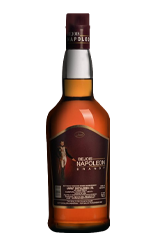
Bejois Napoleon Brandy - 750 ml
₹ 2153.00
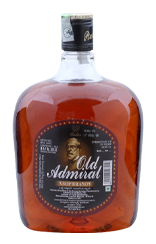
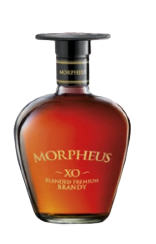
St.remy Authentic French Brandy - 700 ml
₹ 2310.00
Latest Updates
-
 Radhika Ambani's ₹5.6 Lakh Dior Mid-Length Belted Dress In London Outing Is Winning Hearts
 -
 World Breastfeeding Week 2026: Breastfeeding In Public—Rights, Comfort And Confidence
 -
 Mahanadi Flood Alert: Why Odisha Faces Flooding Almost Every Monsoon
 -
 Gajanana Sankashti Chaturthi 2026: Significance, Puja Vidhi, Vrat Rules And Moonrise Time
 -
 Friendship Day 2026: 10 Meaningful Gifts Under ₹500 That'll Make Your Best Friend Go 'Aww' (Or Cry A Little)
 Continue with Google