




 Click it and Unblock the Notifications


Porto Wine-fruit Wine
Porto Wine-fruit Wine Price

180 ml
₹ 59
375 ml
₹ 125
750 ml
₹ 225
₹ 225
Karnataka
Ingredients
The main ingredients of Porto Wine are grapes, brandy, and sometimes fruit extracts. The grapes used are typically Touriga Nacional, Touriga Franca, and Tinta Roriz. These varieties give the wine its unique taste and aroma.Preparation
The preparation of Porto Wine involves fermenting the grapes until they reach a certain sweetness level. Brandy is then added to stop fermentation. This process preserves the natural sugars in the wine, giving it its sweet flavour.Flavour Profile
Porto Wine is known for its rich and sweet flavour. It often has notes of berries, chocolate, and spices. The addition of brandy gives it a smooth finish with a slight warmth.Variations
There are several variations of Porto Wine, including Ruby, Tawny, White, and Rosé. Ruby Port is young and fruity. Tawny Port is aged longer and has a nutty flavour. White Port is made from white grapes, while Rosé Port has a lighter, fruity taste.Cultural Significance
Porto Wine holds cultural significance in Portugal. It is often enjoyed during celebrations and special occasions. It also plays a role in Portuguese traditions and customs.Pairings
Porto Wine pairs well with various foods. It complements cheese, especially blue cheese and aged cheddar. It also goes well with desserts like chocolate cake and fruit tarts.Serving Suggestions
Porto Wine is best served slightly chilled or at room temperature. It can be enjoyed on its own or as part of a cocktail. Use a proper wine glass to enhance its aroma and flavour.Popularity and Trends
Porto Wine remains popular worldwide. Its rich flavour and versatility make it a favourite among wine enthusiasts. Recent trends show an increase in interest in aged Tawny Ports.Interesting Facts
An interesting fact about Porto Wine is that it must be aged for at least two years before being sold. Another fact is that some vintage Ports can age for decades, improving in flavour over time.Health Considerations
Moderate consumption of Porto Wine may offer some health benefits, such as antioxidants from grapes. However, excessive drinking can lead to health risks like liver disease and addiction.Production Regions
The primary production region for Porto Wine is the Douro Valley in Portugal. This area has the ideal climate and soil conditions for growing high-quality grapes used in Port production.Legal Status and Regulations
The legal status of Porto Wine varies by country. In many places, it can only be called "Port" if it comes from Portugal's Douro Valley. Always check local laws regarding alcohol consumption and purchase.Distillation and Aging Process
The distillation process involves adding brandy to the fermenting grape juice to stop fermentation early. The aging process varies; Ruby Ports are aged for a shorter time, while Tawny Ports can age for decades in wooden barrels.Historical Anecdotes
A historical anecdote about Porto Wine involves British merchants who discovered that adding brandy helped preserve the wine during long sea voyages. This practice led to the creation of what we now know as Port.Economic Impact
The production of Porto Wine significantly impacts Portugal's economy. It provides jobs in vineyards, wineries, and related industries. It also contributes to tourism as many visitors come to explore the Douro Valley.Environmental Considerations
The production of Porto Wine involves sustainable practices like organic farming and water conservation. These efforts help protect the environment while producing high-quality wine.Cocktail Recipes
A popular cocktail using Porto Wine is the "Porto Tonic." Mix equal parts White Port and tonic water over ice, garnish with a slice of lemon or lime for a refreshing drink.Conservation Efforts
Conservation efforts in the Porto Wine industry include protecting native grape varieties and maintaining traditional farming methods. These practices ensure the sustainability of wine production for future generations.Awards and Recognition
Porto Wines have received numerous awards for their quality and taste. Prestigious competitions like the International Wine Challenge often recognise top producers from the Douro Valley.Sustainability Focus
Sustainability practices within the Porto Wine industry include reducing carbon footprints through eco-friendly packaging and renewable energy use in wineries. These efforts aim to create a more sustainable future for wine production.Disclaimer: The information presented on this page regarding liquor prices, types, and brands is intended for general reference only. While we strive for accuracy; prices and availability may vary. For the most up-to-date information, please consult local retailers or official sources. Consumption of alcoholic beverages should be done responsibly, in accordance with legal drinking age requirements and health conditions. We do not endorse the consumption of alcohol.
Similar Wine Products You Might Like
Jacobs Creek Shiraz Cabernet - 750 ml
₹ 1350.00
Outback Jack Shiraz - 750 ml
₹ 1295.00
Grover La Reserve Red - 375 ml
₹ 1225.00

Fratelli Sauvignon Blanc - 750 ml
₹ 747.00
Wine Price List in City
Beer Products You Might Like


Heineken Lager Beer - 650 ml
₹ 200.00

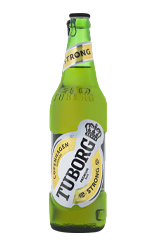
Tuborg Strong Beer - 650 ml
₹ 85.00

Latest Updates
-
 The Traitors 2 Cast Revealed: Munawar Faruqui, Mallika Sherawat, Rhea Chakraborty & 18 Others Join
 -
 Kiara Advani Birthday Special: 8 Stunning Lehenga Looks To Bookmark For Weddings And Festivities
 -
 Solah Somwar 2026: Complete Dates, Puja Vidhi, Rules and Katha
 -
 Sobhita Dhulipala Turns Into A Modern-Day Devi At India Couture Week 2026 For Rahul Mishra
 -
 As 'Generation Gutter' Row Escalates, Revisiting Kangana Ranaut's Biggest Controversies Over The Years
 Continue with Google