




 Click it and Unblock the Notifications


Port wine 1000
Port wine 1000 Price

1000 ml
₹ 160
₹ 160
Goa
Preparation
Port wine's preparation is distinct. The process includes stopping the fermentation early by adding a grape spirit. This retains the natural sweetness of the grapes while increasing the alcohol content, resulting in a rich and robust wine.Flavour Profile
Port wine offers a diverse flavor profile, ranging from sweet and fruity to complex and nutty. The taste varies significantly across different types of Port, including Tawny, Ruby, and Vintage, each offering a unique experience.Variations
There are several variations of Port wine, including Tawny, Ruby, Vintage, and White Port. Each type undergoes different aging processes and blending techniques, contributing to their distinct flavors and characteristics.Cultural Significance
Port wine holds significant cultural importance in Portugal. It is traditionally consumed during celebrations and festive occasions. Its global recognition has also made it a symbol of Portuguese heritage and culinary tradition.Pairings
Port wine pairs exceptionally well with a variety of foods. Its sweetness complements desserts like chocolate cake and cheese platters, making it a versatile choice for different courses.Serving Suggestions
To fully enjoy Port wine, it should be served slightly chilled for Ruby Ports or at room temperature for Tawny Ports. Decanting is recommended for Vintage Ports to remove sediment.Popularity and Trends
The popularity of Port wine has seen fluctuations over time but remains a cherished choice among wine enthusiasts. Recent trends show a growing interest in artisanal and premium varieties of Port wine.Interesting Facts
One interesting fact about Port wine is its role in British history. It became popular in Britain during the 18th century when war with France limited the supply of French wines, leading to increased imports of Portuguese wines.Health Considerations
While moderate consumption of Port wine can offer health benefits such as antioxidants from grapes, excessive intake can lead to health risks including alcohol dependency and liver disease. It's important to enjoy Port wine responsibly.Production Regions
The Douro Valley in Portugal is the primary region for Port wine production. Its unique terroir is essential for growing the grape varieties used in Port wine.Legal Status and Regulations
The production and sale of Port wine are regulated to ensure quality and authenticity. It's advisable to check local laws regarding alcohol consumption and importation.Distillation and Aging Process
The distillation process for Port wine involves adding grape spirit during fermentation. Aging then takes place in barrels or bottles, depending on the type of Port, which influences its flavor profile.Historical Anecdotes
A notable historical anecdote involves the Marquis de Pombal who established the Douro Wine Region as one of the first protected wine regions in the world in 1756, setting standards for Port wine production.Economic Impact
The production and export of Port wine significantly contribute to Portugal's economy. It supports local agriculture and promotes tourism in the Douro Valley region.Environmental Considerations
Sustainability practices within the Port wine industry include water conservation efforts and sustainable farming practices to minimize environmental impact while maintaining quality production.Cocktail Recipes
Port wine can be used in cocktails to add depth and sweetness. A popular cocktail recipe is the "Porto Flip," combining Port with brandy and egg yolk for a rich and creamy drink.Conservation Efforts
The industry has seen increased focus on conservation efforts to protect the Douro Valley's biodiversity. This includes preserving native grape varieties and promoting eco-friendly farming methods.Awards and Recognition
Port wines have received numerous awards for their quality and craftsmanship. These recognitions highlight the dedication of producers to maintaining high standards in Port wine production.Sustainability Focus
The focus on sustainability within the Port wine industry reflects a commitment to environmental stewardship while ensuring the legacy of this iconic wine continues for future generations.Port wine 1000 FAQs
What are the key characteristics of Laroche Punto Nino Merlot?
What are the variations of Laroche Punto Nino Merlot available in the market?
What is the cultural significance of Merlot wines like Laroche Punto Nino?
What foods pair well with Laroche Punto Nino Merlot?
What is the ideal serving temperature for Laroche Punto Nino Merlot?
Disclaimer: The information presented on this page regarding liquor prices, types, and brands is intended for general reference only. While we strive for accuracy; prices and availability may vary. For the most up-to-date information, please consult local retailers or official sources. Consumption of alcoholic beverages should be done responsibly, in accordance with legal drinking age requirements and health conditions. We do not endorse the consumption of alcohol.
Similar Wine Products You Might Like
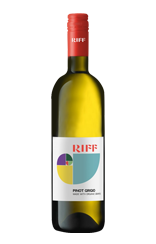
Riff pinot grigio - 750 ml
₹ 1320.00
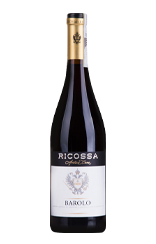
Ricossa barolo - 750 ml
₹ 4235.00
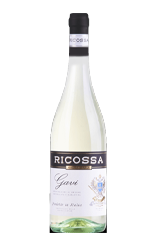
Ricossa gavi - 750 ml
₹ 1975.00
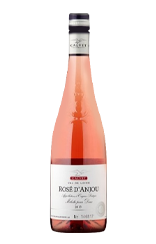
Rose d anjou - 750 ml
₹ 2500.00
Wine Price List in City
Vodka Products You Might Like
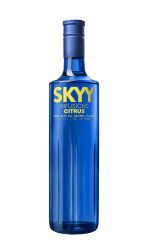
Skyy Infusions Citrus Vodka - 700 ml
₹ 3596.00
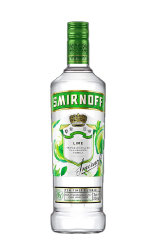
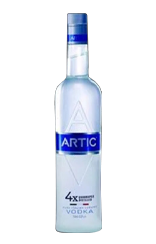
Artic Pure Italian Luxury Vodka - 750 ml
₹ 1600.00
Latest Updates
-
 Does Rainwater Damage Your Hair? Here’s What Science Says About Wet Hair Damage
 -
 Monsoon Health Alert: Fevers, Viral Infections And Pneumonia—What An Expert Wants You To Know
 -
 Why Stanza Living Is the Preferred Choice for Students and Working Professionals
 -
 The Hidden Cause Behind Chronic Stomach Issues: What Patients Often Mistake for Gas and Acidity
 -
 Yoga For Liver Health: Grand Master Akshar Shares Daily Poses To Try
 Continue with Google