




 Click it and Unblock the Notifications


Port Wine 1000- 375mlx24btls
Port Wine 1000- 375mlx24btls Price

1000 ml
₹ 124
₹ 124
Karnataka
Ingredients
The primary ingredients in port wine are grapes, brandy, and sugar. The grapes used are typically Touriga Nacional, Tinta Roriz, and Tinta Barroca. Brandy is added to stop fermentation, which retains the natural sweetness of the grapes.Preparation
The preparation of port wine involves harvesting grapes, crushing them, and fermenting the juice. Brandy is added to halt fermentation, preserving the grape's natural sugars. The wine is then aged in oak barrels before bottling.Flavour Profile
Port wine is known for its sweet and rich flavour profile. It often has notes of berries, chocolate, and spices. The ageing process can add layers of complexity, including hints of caramel and nuts.Variations
There are several variations of port wine, including Ruby, Tawny, White, and Vintage. Ruby port is young and fruity, while Tawny port is aged longer and has a nutty flavour. White port is made from white grapes, and Vintage port is made from the best grapes of a single year.Cultural Significance
Port wine holds significant cultural importance in Portugal. It is often enjoyed during celebrations and special occasions. The wine also plays a role in various Portuguese traditions and customs.Pairings
Port wine pairs well with a variety of foods. It complements cheeses like Stilton and Roquefort. It also goes well with desserts such as chocolate cake and fruit tarts. Some enjoy it with savoury dishes like roasted meats.Serving Suggestions
Port wine is best served slightly chilled for white ports or at room temperature for red ports. It should be poured into small glasses to concentrate its aromas. Decanting older ports can help enhance their flavours.Popularity and Trends
Port wine remains popular worldwide, especially in Europe and North America. There has been a growing trend towards premium and vintage ports. Consumers are also exploring new ways to enjoy port, such as in cocktails.Interesting Facts
An interesting fact about port wine is that it must be produced in Portugal's Douro Valley to be labelled as "port." Another fact is that some vintage ports can age for over 50 years, becoming more valuable over time.Health Considerations
Moderate consumption of port wine may offer some health benefits due to its antioxidants. However, excessive drinking can lead to health issues such as liver disease and addiction. Always consume alcohol responsibly.Production Regions
The primary production region for port wine is the Douro Valley in northern Portugal. This region's unique climate and soil conditions contribute to the distinctive characteristics of port wine.Legal Status and Regulations
The production and sale of port wine are regulated by Portuguese law. Only wines produced in the Douro Valley can be labelled as "port." Consumers should check local laws regarding alcohol consumption.Distillation and Aging Process
The distillation process involves adding brandy to the fermenting grape juice to stop fermentation. The aging process varies depending on the type of port but usually involves storing the wine in oak barrels for several years.Historical Anecdotes
A historical anecdote about port wine involves its popularity among British royalty. In the 18th century, King George IV was known to favour port wine, which helped boost its popularity in England.Economic Impact
The production of port wine significantly impacts Portugal's economy. It provides employment opportunities in vineyards and wineries. The export of port wine also contributes to the country's revenue.Environmental Considerations
The production of port wine involves sustainable practices such as organic farming and water conservation. Many producers are committed to reducing their environmental footprint through eco-friendly methods.Cocktail Recipes
Port wine can be used in various cocktail recipes. One popular option is the "Port Tonic," made with white port, tonic water, ice, and a slice of lemon or lime. Another option is the "Ruby Royale," combining ruby port with sparkling water and fresh berries.Conservation Efforts
Many port wine producers engage in conservation efforts to protect the Douro Valley's ecosystem. These efforts include reforestation projects and initiatives to preserve local wildlife habitats.Awards and Recognition
Port wines have received numerous awards for their quality and taste. Competitions like the International Wine Challenge often recognise top-performing ports. These accolades help maintain high standards within the industry.Sustainability Focus
Sustainability practices within the port wine industry include organic farming methods and reducing carbon emissions during production. Many wineries are also investing in renewable energy sources to power their operations.Disclaimer: The information presented on this page regarding liquor prices, types, and brands is intended for general reference only. While we strive for accuracy; prices and availability may vary. For the most up-to-date information, please consult local retailers or official sources. Consumption of alcoholic beverages should be done responsibly, in accordance with legal drinking age requirements and health conditions. We do not endorse the consumption of alcohol.
Similar Wine Products You Might Like
Jacobs Creek Shiraz Cabernet - 750 ml
₹ 1350.00
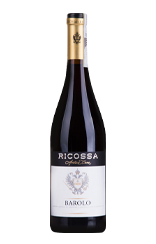
Cinzano Prosecco - 750 ml
₹ 1650.00
Fratelli Sauvignon Blanc - 750 ml
₹ 747.00
Wine Price List in City
Brandy Products You Might Like
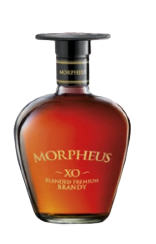
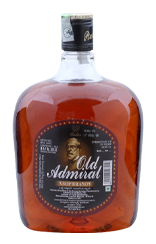
Old Admiral Vsop Brandy - 750 ml
₹ 508.00
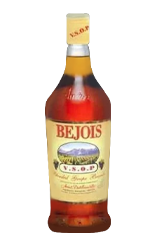
Bejois Vsop Brandy - 1000 ml
₹ 387.00
Latest Updates
-
 Sobhita Dhulipala Turns Into A Modern-Day Devi At India Couture Week 2026 For Rahul Mishra
 -
 As 'Generation Gutter' Row Escalates, Revisiting Kangana Ranaut's Biggest Controversies Over The Years
 -
 Monsoon Hair Care: Why Your Scalp Needs More Attention Than Your Hair
 -
 Shravan 2026: Astrologer Ashutosh Clairvoyant On Rituals, Mantras And The Solah Somvar Vrat
 -
 Pregnancy Workouts: What Every Expecting Mother Should Know, According To A Holistic Health And Wellness Coach
 Continue with Google