




 Click it and Unblock the Notifications


Martel Vs Fine Cognac
Martel Vs Fine Cognac Price

700 ml
₹ 3940
₹ 3940
Maharashtra
Ingredients
The primary ingredient in both Martel and Fine Cognac is grapes. Ugni Blanc is the most common grape variety used. The grapes are fermented into wine before being distilled into eau-de-vie. This clear spirit is then aged in oak barrels to develop its flavour.Preparation
The preparation of Martel and Fine Cognac involves distillation and aging. The wine is distilled twice in copper pot stills. The resulting eau-de-vie is aged in French oak barrels for at least two years. This process imparts complex flavours and aromas to the cognac.Flavour Profile
Martel is known for its smooth, fruity flavour with hints of spice and vanilla. Fine Cognac offers a range of flavours, from floral and fruity to rich and spicy. The ageing process influences these flavours, with older cognacs having deeper, more complex profiles.Variations
Cognacs are classified based on their age: VS (Very Special), VSOP (Very Superior Old Pale), and XO (Extra Old). Martel offers a range of products within these categories, each with unique characteristics. Fine Cognac also includes limited editions and special blends.Cultural Significance
Cognac holds a special place in French culture and history. It is often associated with luxury and celebration. Martel has been served at royal courts and prestigious events worldwide, symbolising elegance and sophistication.Pairings
Martel and Fine Cognac pair well with a variety of foods. They complement rich dishes like foie gras, dark chocolate, and blue cheese. The complex flavours of cognac enhance the dining experience, making it a popular choice for gourmet meals.Serving Suggestions
Cognac is best enjoyed neat or with a splash of water to release its aromas. It should be served at room temperature in a tulip-shaped glass. This allows the drinker to fully appreciate its bouquet and taste profile.Popularity and Trends
Cognac's popularity has grown globally, with increasing demand in Asia and North America. Consumers appreciate its rich history and craftsmanship. Trends include innovative cocktails featuring cognac as a key ingredient.Interesting Facts
Cognac can only be produced in the Cognac region of France under strict regulations. Martel was one of the first cognac houses to export its products internationally, contributing to its global reputation.Health Considerations
Cognac contains antioxidants that may offer some health benefits when consumed in moderation. However, excessive consumption can lead to health risks such as liver damage and addiction. It is important to drink responsibly.Production Regions
The Cognac region is divided into six crus: Grande Champagne, Petite Champagne, Borderies, Fins Bois, Bons Bois, and Bois Ordinaires. Each area produces cognacs with distinct characteristics due to differences in soil and climate.Legal Status and Regulations
Cognac production is subject to strict regulations set by the Bureau National Interprofessionnel du Cognac (BNIC). These rules ensure quality control from grape cultivation to bottling. Consumers should check local laws regarding alcohol consumption.Distillation and Aging Process
The distillation process involves heating wine in copper pot stills to produce eau-de-vie. This spirit is then aged in oak barrels for at least two years, allowing it to develop its signature flavours over time.Historical Anecdotes
Martel has a long history of serving royalty and dignitaries worldwide. It was reportedly enjoyed by King Louis XV of France and Winston Churchill during World War II.Economic Impact
The cognac industry significantly contributes to France's economy through exports and tourism. It supports local vineyards, distilleries, and cooperages while promoting French heritage globally.Environmental Considerations
Sustainable practices are increasingly important in cognac production. Many producers focus on reducing their carbon footprint by using renewable energy sources and eco-friendly packaging materials.Cocktail Recipes
Cocktail Name | Main Ingredients |
Sidecar | Cognac, Cointreau, Lemon Juice |
Sazerac | Cognac, Absinthe, Sugar Cube, Bitters |
French 75 | Cognac, Lemon Juice, Sugar Syrup, Champagne |
Awards and Recognition
Martel has received numerous awards for its exceptional quality over the years. These accolades highlight its commitment to excellence in crafting fine cognacs that are appreciated worldwide.Sustainability Focus
The Martel Vs Fine Cognac industry prioritises sustainability by implementing eco-friendly practices throughout production processes. This includes responsible sourcing of raw materials and reducing waste generation during manufacturing stages.Martel Vs Fine Cognac FAQs
What is the primary ingredient in Martel and Fine Cognac?
How is cognac aged?
What are the different classifications of cognac?
Why is cognac culturally significant in France?
What are some popular cocktails made with cognac?
Disclaimer: The information presented on this page regarding liquor prices, types, and brands is intended for general reference only. While we strive for accuracy; prices and availability may vary. For the most up-to-date information, please consult local retailers or official sources. Consumption of alcoholic beverages should be done responsibly, in accordance with legal drinking age requirements and health conditions. We do not endorse the consumption of alcohol.
Rum Products You Might Like
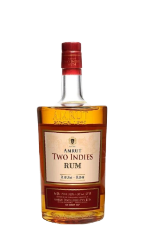
Amrut Two Indies Rum - 750 ml
₹ 1700.00
Latest Updates
-
 Monsoon And Gut Health: 6 Expert-Backed Habits To Keep Your Digestive System Healthy During The Rainy Season
 -
 Who Was Suneil Anand? Dev Anand's Only Son Passes Away At 70 In London
 -
 Purnima Upavas 2026: Benefits Of Fasting On The Full Moon And Its Astrological Importance
 -
 Happy Guru Purnima 2026: 50+ Wishes, Messages And Quotes To Share With Your Teachers And Mentors
 -
 Buck Moon 2026: When To Watch In India And How This Full Moon Activates Your Sun And Rising Sign
 Continue with Google