




 Click it and Unblock the Notifications


Koshinohomare Namachozoshu Sake 720mlx12btls
Koshinohomare Namachozoshu Sake 720mlx12btls Price

720 ml
₹ 4
₹ 4
Karnataka
Ingredients
The main ingredients in Koshinohomare Namachozoshu Sake are rice, water, yeast, and koji mold. The quality of these ingredients is crucial. The rice used is often polished to remove the outer layers, enhancing the flavour.Preparation
The preparation of this sake involves several steps. First, the rice is polished and washed. Then, it is steamed and mixed with koji mold. Fermentation follows, where yeast converts sugars into alcohol. Finally, the sake is filtered and bottled.Flavour Profile
Koshinohomare Namachozoshu Sake has a delicate and fresh flavour. It offers a balance of sweetness and acidity. The aroma is often described as fruity or floral. Its smooth texture makes it enjoyable to drink.Variations
There are different variations of Koshinohomare Namachozoshu Sake. These can include differences in rice polishing rates or fermentation times. Each variation offers a unique taste experience while maintaining the core characteristics of the brand.Cultural Significance
Sake holds a special place in Japanese culture. It is often used in ceremonies and celebrations. Koshinohomare Namachozoshu Sake, in particular, is appreciated for its quality and tradition. It represents a connection to Japan's rich heritage.Pairings
This sake pairs well with various foods. It complements sushi, sashimi, and other seafood dishes. It also goes well with grilled meats and vegetables. The versatility of Koshinohomare Namachozoshu Sake makes it a great choice for many meals.Serving Suggestions
Koshinohomare Namachozoshu Sake can be served chilled or at room temperature. It is best enjoyed in small cups called "ochoko." Pouring sake for others is a sign of respect in Japanese culture.Popularity and Trends
This sake has gained popularity both in Japan and internationally. Its reputation for quality has made it a favourite among sake enthusiasts. Trends show an increasing interest in traditional Japanese beverages like Koshinohomare Namachozoshu Sake.Interesting Facts
Koshinohomare Namachozoshu Sake is often enjoyed during special occasions in Japan. The brewing process can take several months to complete. Each bottle reflects the dedication and skill of the brewers.Health Considerations
Sake contains alcohol, so it should be consumed responsibly. Some studies suggest moderate consumption may have health benefits, such as improved heart health. However, excessive drinking can lead to health risks like liver damage.Production Regions
This sake is produced in specific regions of Japan known for their high-quality rice and water sources. These regions have ideal conditions for brewing sake, contributing to its unique taste.Legal Status and Regulations
The legal status of sake varies by country. In India, it is important to check local laws regarding alcohol consumption and purchase. Regulations ensure that sake meets quality standards before reaching consumers.Distillation and Aging Process
Sake production does not involve distillation like other spirits. Instead, it undergoes fermentation. Some types of sake may be aged to develop deeper flavours, but Koshinohomare Namachozoshu Sake is typically enjoyed fresh.Historical Anecdotes
Sake has been part of Japanese history for centuries. Historical records mention its use in religious ceremonies and as an offering to deities. Koshinohomare Namachozoshu Sake continues this tradition with its authentic brewing methods.Economic Impact
The production of sake contributes significantly to local economies in Japan. It supports agriculture by using locally grown rice and provides jobs in brewing facilities. Exporting sake also boosts economic ties with other countries.Environmental Considerations
Sustainable practices are important in sake production. Efforts include using eco-friendly packaging and reducing waste during brewing. These practices help preserve natural resources for future generations.Cocktail Recipes
Koshinohomare Namachozoshu Sake can be used in various cocktails. One simple recipe is mixing it with soda water and a splash of lime juice for a refreshing drink. Experimenting with different ingredients can create unique flavours.Conservation Efforts
Sake producers are involved in conservation efforts to protect water sources and rice fields. These efforts ensure the sustainability of ingredients essential for brewing high-quality sake like Koshinohomare Namachozoshu Sake.Awards and Recognition
Koshinohomare Namachozoshu Sake has received numerous awards for its quality and taste. These accolades highlight the dedication of its brewers to maintaining high standards.Sustainability Focus
The industry focuses on sustainability by implementing eco-friendly practices throughout the production process. This includes using renewable energy sources and promoting recycling initiatives within breweries.Disclaimer: The information presented on this page regarding liquor prices, types, and brands is intended for general reference only. While we strive for accuracy; prices and availability may vary. For the most up-to-date information, please consult local retailers or official sources. Consumption of alcoholic beverages should be done responsibly, in accordance with legal drinking age requirements and health conditions. We do not endorse the consumption of alcohol.
Similar Others Products You Might Like
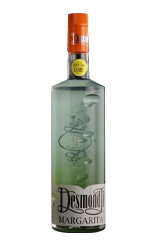
Desmondji Margarita - 750 ml
₹ 1.00



Hoegaarden Witbier - 330 ml
₹ 205.00

Others Price List in City
Vodka Products You Might Like



Absolut Vodka Kurant Df - 50 ml
₹ 85.00


Latest Updates
-
 Amrish Puri's 94th Birth Anniversary: 6 Iconic Characters That Still Live Rent-Free In Every Indian's Mind
 -
 Masik Durgashtami 2026: Dates, Muhurat, Rituals, and the Spiritual Power of Ashtami Tithi
 -
 2 Minute Microwave Magic: The Ultimate Mug Cake Recipe
 -
 Horoscope for Today June 22, 2026 - Mindful Actions, Steady Progress
 -
 Homemade Without Machine Mango Ice Cream Recipe: Pure Summer Bliss
 Continue with Google