




 Click it and Unblock the Notifications


Ki No Bi Gin
Ki No Bi Gin Price

750 ml
₹ 7045
₹ 7045
Karnataka
Ingredients
The gin is made using a variety of botanicals sourced from Kyoto. Key ingredients include yuzu, hinoki wood, bamboo leaves, gyokuro tea, and green sansho pepper. These elements are carefully selected to create a harmonious balance of flavours that are both refreshing and complex.Preparation
Ki No Bi Gin is prepared using a meticulous distillation process. Each botanical is distilled separately to preserve its unique characteristics. The distillates are then blended together to create the final product. This method ensures that each flavour note is distinct yet complementary.Flavour Profile
The flavour profile of Ki No Bi Gin is both delicate and bold. It features citrus notes from yuzu, a hint of spice from sansho pepper, and a subtle earthiness from bamboo leaves. The result is a smooth and balanced gin that offers a unique tasting experience.Variations
While the original Ki No Bi Gin remains popular, there are variations available. These include limited editions that incorporate seasonal botanicals or different distillation techniques. Each variation offers a new twist on the classic recipe, appealing to gin enthusiasts worldwide.Cultural Significance
Ki No Bi Gin holds cultural significance as it embodies the essence of Kyoto's natural beauty and craftsmanship. It represents a fusion of traditional Japanese practices with modern distillation techniques, making it a symbol of innovation in Japan's spirits industry.Pairings
This gin pairs well with light dishes such as sushi or sashimi. Its citrusy notes complement seafood, while its herbal undertones enhance vegetarian dishes. For those who enjoy cocktails, Ki No Bi Gin can be mixed with tonic water or used in classic gin-based drinks.Serving Suggestions
To enjoy Ki No Bi Gin at its best, serve it chilled over ice or in a cocktail glass. Garnish with a slice of yuzu or lemon to enhance its citrus flavours. For an authentic experience, try serving it in traditional Japanese glassware.Popularity and Trends
Since its launch, Ki No Bi Gin has gained international acclaim for its quality and unique taste. It has become a favourite among bartenders and gin lovers alike, contributing to the growing trend of Japanese craft spirits on the global stage.Interesting Facts
An interesting fact about Ki No Bi Gin is that it was the first Japanese gin produced in Kyoto. The distillery uses pure Fushimi water, known for its softness and purity, which adds to the gin's smooth texture.Health Considerations
Like all alcoholic beverages, Ki No Bi Gin should be consumed responsibly. While moderate consumption may offer some social benefits, excessive drinking can lead to health risks such as liver damage or addiction. Always drink in moderation.Production Regions
The primary production region for Ki No Bi Gin is Kyoto, Japan. The city is renowned for its rich history and natural beauty, which influences the gin's production process and ingredient selection.Legal Status and Regulations
The legal status of Ki No Bi Gin varies by country. In India, consumers should check local laws regarding alcohol purchase and consumption before buying or consuming this gin.Distillation and Aging Process
The distillation process for Ki No Bi Gin involves separate distillation of each botanical ingredient. There is no aging process involved as it is not required for gin production. This ensures freshness and clarity in flavour.Historical Anecdotes
A historical anecdote about Ki No Bi Gin is its connection to Kyoto's ancient traditions. The use of local botanicals reflects centuries-old practices of using natural resources sustainably while celebrating seasonal changes.Economic Impact
The production of Ki No Bi Gin has positively impacted Kyoto's economy by creating jobs and promoting tourism. It has also contributed to the global recognition of Japanese craft spirits as high-quality products worth exploring.Environmental Considerations
The Kyoto Distillery prioritises environmental sustainability by sourcing local ingredients and minimising waste during production. This approach helps reduce their carbon footprint while supporting local farmers and communities.Cocktail Recipes
Cocktail Name | Ingredients | Instructions |
Ki No Bi Tonic | 50ml Ki No Bi Gin, 150ml tonic water, ice cubes, yuzu slice | Add ice cubes to glass; pour gin; top with tonic; garnish with yuzu slice. |
Sakura Martini | 50ml Ki No Bi Gin, 10ml sakura syrup, ice cubes | Add ingredients to shaker; shake well; strain into chilled glass; serve immediately. |
Awards and Recognition
Ki No Bi Gin has received numerous awards for its quality and innovation in spirit competitions worldwide. These accolades highlight its excellence in craftsmanship and flavour profile within the global market.Sustainability Focus
The sustainability focus within the Ki No Bi Gin industry includes practices like using renewable energy sources during production processes or implementing recycling programs at their facilities—demonstrating commitment towards environmental responsibility.Disclaimer: The information presented on this page regarding liquor prices, types, and brands is intended for general reference only. While we strive for accuracy; prices and availability may vary. For the most up-to-date information, please consult local retailers or official sources. Consumption of alcoholic beverages should be done responsibly, in accordance with legal drinking age requirements and health conditions. We do not endorse the consumption of alcohol.
Similar Gin Products You Might Like
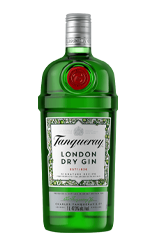

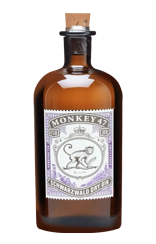
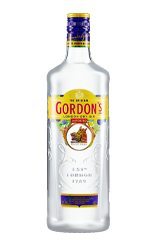

Carews Dry Gin - 750 ml
₹ 135.00
The Botanist Islay Dry Gin - 700 ml
₹ 6250.00
Gin Price List in City
Whisky Products You Might Like





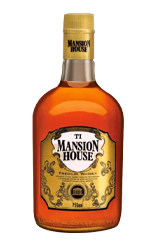
Latest Updates
-
 August 2026 Festival Calendar: Complete List Of Hindu Fasts, Vrats And Auspicious Dates
 -
 Is Your Necklace Right For Your Neckline? Here's The Styling Secret To The Perfect Look
 -
 National Parents Day 2026: Parents Are Ageing—8 Subtle Signs They May Need More Support Than They Admit
 -
 Who Is Prahlad Joshi? Meet The New Education Minister Replacing Dharmendra Pradhan
 -
 Ravi Pradosh Vrat 2026: Significance, Puja Muhurat, Rituals And Everything Devotees Need To Know
 Continue with Google