




 Click it and Unblock the Notifications


Ki No Bi Gin
Ki No Bi Gin Price

750 ml
₹ 7500
₹ 7500
Maharashtra
Ingredients
The gin is made using a variety of botanicals sourced from Kyoto and other parts of Japan. Key ingredients include yuzu, hinoki wood, bamboo leaves, gyokuro tea, and sansho pepper. These elements contribute to its unique flavour profile, setting it apart from other gins on the market.Preparation
Ki No Bi Gin is crafted using a meticulous process that involves separate distillation of each botanical group. This allows for precise control over the flavour extraction. The distilled botanicals are then blended with a rice spirit base, resulting in a smooth and balanced gin.Flavour Profile
The flavour profile of Ki No Bi Gin is complex yet harmonious. It offers a refreshing citrus note from yuzu, complemented by the earthy aroma of hinoki wood. The addition of sansho pepper provides a subtle spiciness, while gyokuro tea adds depth and richness to the overall taste.Variations
While the original Ki No Bi Gin remains popular, there are variations available that explore different flavour profiles. These include limited editions that incorporate seasonal botanicals or unique blends that highlight specific regional ingredients.Cultural Significance
Ki No Bi Gin holds cultural significance as it reflects the Japanese philosophy of harmony with nature. Its production process respects traditional methods while embracing modern innovation. This balance resonates with consumers who appreciate authenticity and craftsmanship.Pairings
This gin pairs well with a variety of foods due to its versatile flavour profile. It complements dishes like sushi, sashimi, and tempura, enhancing their flavours without overpowering them. Its citrus notes also make it an excellent match for seafood dishes.Serving Suggestions
Ki No Bi Gin can be enjoyed neat or in cocktails. For a simple serve, mix it with tonic water and garnish with a slice of yuzu or lemon. It also works well in classic cocktails like martinis or gimlets, where its unique botanicals can shine.Popularity and Trends
The popularity of Ki No Bi Gin has grown steadily since its launch. It has gained recognition in both domestic and international markets for its quality and distinctiveness. The trend towards premium craft spirits has further boosted its appeal among discerning consumers.Interesting Facts
An interesting fact about Ki No Bi Gin is that it uses water sourced from Fushimi, an area known for its pure water used in sake production. This contributes to the gin's smooth texture and clean finish.Health Considerations
Like all alcoholic beverages, Ki No Bi Gin should be consumed responsibly. While moderate consumption may offer some social benefits, excessive intake can lead to health risks such as liver damage or addiction. Always drink in moderation.Production Regions
The primary production region for Ki No Bi Gin is Kyoto, Japan. The distillery sources many of its botanicals locally, ensuring freshness and quality while supporting regional agriculture.Legal Status and Regulations
The legal status of Ki No Bi Gin varies by country. In India, as elsewhere, consumers should check local laws regarding alcohol purchase and consumption to ensure compliance with regulations.Distillation and Aging Process
The distillation process for Ki No Bi Gin involves separate distillation of botanical groups before blending them together. Unlike some spirits, gin does not require aging, allowing for immediate bottling after blending.Economic Impact
The production of Ki No Bi Gin contributes to the local economy by creating jobs and supporting local suppliers. Its success has also helped raise awareness of Japanese craft spirits on the global stage.Environmental Considerations
The Kyoto Distillery prioritises sustainability by sourcing local ingredients and minimising waste during production. This approach reduces environmental impact while maintaining high-quality standards for their gin.Cocktail Recipes
Cocktail Name | Ingredients | Instructions |
Ki No Bi Martini | 60ml Ki No Bi Gin | Stir gin and vermouth with ice. |
Citrus Gimlet | 50ml Ki No Bi Gin | Shake all ingredients with ice. |
Awards and Recognition
Ki No Bi Gin has received numerous awards for its quality and innovation in international competitions. These accolades highlight its standing as a premium craft spirit within the global market.Sustainability Focus
Sustainability is a key focus for Ki No Bi Gin's producers. They implement eco-friendly practices such as using renewable energy sources and reducing packaging waste to minimise their environmental footprint.Ki No Bi Gin FAQs
What makes Ki No Bi Gin unique?
Where is Ki No Bi Gin produced?
What are the key ingredients in Ki No Bi Gin?
How should Ki No Bi Gin be served?
Is Ki No Bi Gin environmentally sustainable?
Disclaimer: The information presented on this page regarding liquor prices, types, and brands is intended for general reference only. While we strive for accuracy; prices and availability may vary. For the most up-to-date information, please consult local retailers or official sources. Consumption of alcoholic beverages should be done responsibly, in accordance with legal drinking age requirements and health conditions. We do not endorse the consumption of alcohol.
Similar Gin Products You Might Like
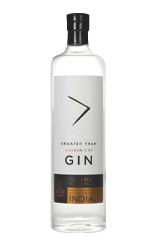
Greater Than London Dry Gin - 180 ml
₹ 450.00
Rum Products You Might Like
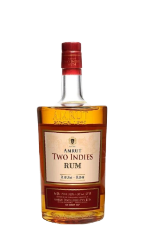
Amrut Two Indies Rum - 750 ml
₹ 1700.00
Latest Updates
-
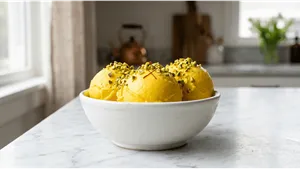 Homemade Without Machine Mango Ice Cream Recipe: Pure Summer Bliss
 -
 Summer Solstice 2026: What Makes June 21 The Longest Day Of The Year?
 -
 The Perfect Bakery Style Trick for Your Macaron Recipe
 -
 Sun In Cancer Transit 2026: The Solstice Shift Bringing Emotional Growth And Inner Strength
 -
 This Father’s Day 2026, Give Your Dad Something Classy Under ₹1000 – A Curated Gift Guide
 Continue with Google