




 Click it and Unblock the Notifications


Gekkeikan 720mlx12btls
Gekkeikan 720mlx12btls Price

720 ml
₹ 2
₹ 2
Karnataka
Ingredients
The main ingredients of Gekkeikan sake are rice, water, yeast, and koji mold. The rice used is often polished to remove the outer layers. This process enhances the flavour and quality of the sake.Preparation
The preparation of Gekkeikan sake involves several steps. First, the rice is polished and washed. Then it is steamed and mixed with koji mold. Yeast is added to start fermentation. The mixture ferments for several weeks before being pressed and filtered.Flavour Profile
Gekkeikan sake has a smooth and balanced flavour. It often features notes of fruit and flowers. The taste can vary from dry to sweet, depending on the type of sake.Variations
Gekkeikan offers various types of sake. These include Junmai, Honjozo, Ginjo, and Daiginjo. Each type has unique characteristics based on the rice polishing ratio and brewing process.Cultural Significance
Sake holds a special place in Japanese culture. It is often used in ceremonies and celebrations. Gekkeikan sake is a symbol of tradition and craftsmanship.Pairings
Gekkeikan sake pairs well with many dishes. It complements sushi, sashimi, grilled fish, and tempura. The versatility of sake makes it suitable for various cuisines.Serving Suggestions
Sake can be served chilled, at room temperature, or warm. The serving temperature can affect the flavour profile. Chilled sake is refreshing, while warm sake offers a richer taste.Popularity and Trends
Sake has gained popularity worldwide. Gekkeikan is a well-known brand in many countries. There is a growing interest in premium and craft sakes.Interesting Facts
Gekkeikan operates one of the oldest family-owned businesses in Japan. The brewery also runs a museum in Fushimi. Visitors can learn about the history and production of sake.Health Considerations
Sake contains antioxidants that may offer health benefits. However, it also contains alcohol, which should be consumed responsibly. Excessive drinking can lead to health issues.Production Regions
Gekkeikan's main production region is Fushimi in Kyoto Prefecture. This area is known for its high-quality water sources, which are essential for brewing excellent sake.Legal Status and Regulations
The legal status of sake varies by country. In India, it is important to check local laws regarding alcohol consumption and purchase.Distillation and Aging Process
Sake is not distilled like spirits; it is brewed like beer but with a higher alcohol content. Some types of sake are aged to develop complex flavours.Historical Anecdotes
Gekkeikan has been part of many historical events in Japan. It was served at imperial ceremonies and enjoyed by samurai warriors.Economic Impact
The sake industry contributes significantly to Japan's economy. Gekkeikan exports its products worldwide, boosting international trade.Environmental Considerations
Sake production requires large amounts of water and rice. Sustainable practices are essential to minimise environmental impact.Cocktail Recipes
Sake can be used in various cocktails. Popular recipes include Sake Martini and Sake Mojito. These cocktails offer a unique twist on traditional drinks.Conservation Efforts
Gekkeikan engages in conservation efforts to protect water sources and promote sustainable rice farming practices.Awards and Recognition
Gekkeikan has received numerous awards for its high-quality sake. These accolades highlight the brand's commitment to excellence.Sustainability Focus
The Gekkeikan industry focuses on sustainability by implementing eco-friendly practices in production processes to reduce environmental impact.Aspect | Description |
History | Founded in 1637 in Fushimi, Japan; over 380 years old. |
Main Ingredients | Rice, water, yeast, koji mold. |
Main Production Region | Fushimi in Kyoto Prefecture. |
Awards | Numerous awards for high-quality sake. |
Sustainability Practices | Sustainable rice farming; eco-friendly production processes. |
Cultural Significance | Used in ceremonies; symbolises tradition and craftsmanship. |
Main Pairings | Sushi, sashimi, grilled fish, tempura. |
Main Variations | Junmai, Honjozo, Ginjo, Daiginjo. |
Main Serving Suggestions | Chilled, room temperature, warm. |
Main Health Considerations | Contains antioxidants; should be consumed responsibly due to alcohol content. |
Main Legal Considerations (India) | Check local laws regarding alcohol consumption and purchase. |
Main Environmental Considerations | Sustainable practices essential due to large water/rice usage. |
Main Historical Anecdotes | Served at imperial ceremonies; enjoyed by samurai warriors. |
Main Economic Impact | Sake industry contributes significantly to Japan's economy; boosts international trade through exports. |
Main Conservation Efforts | <Protecting water sources; promoting sustainable rice farming practices. |
Main Cocktail Recipes Using Sake < td > Sake Martini ; Sake Mojito . < tr >< td > Main Distillation / Aging Process < td > Brewed like beer ; some types aged for complex flavours . < tr >< td > Main Popularity / Trends < td > Growing interest worldwide ; premium / craft sakes gaining popularity . < tr >< td > Main Interesting Facts < td > One of oldest family - owned businesses ; operates museum in Fushimi . < / table >< p >< strong > Disclaimer : < / strong > Consume alcohol responsibly . This content is for educational purposes only . < / p > Disclaimer: The information presented on this page regarding liquor prices, types, and brands is intended for general reference only. While we strive for accuracy; prices and availability may vary. For the most up-to-date information, please consult local retailers or official sources. Consumption of alcoholic beverages should be done responsibly, in accordance with legal drinking age requirements and health conditions. We do not endorse the consumption of alcohol. Similar Others Products You Might Like 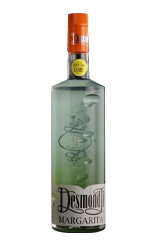
Desmondji Margarita - 750 ml ₹ 1.00 
Hoegaarden Witbier - 330 ml ₹ 205.00 Others Price List in City Vodka Products You Might Like 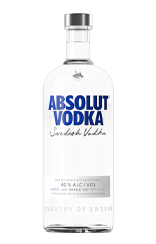
Absolut Vodka Df- - 750 ml ₹ 728.00
Absolut Vodka - 1000 ml ₹ 982.00 
Oxyzen Orange Vodka - 750 ml ₹ 782.00 Latest Updates
Notifications
Settings
Clear Notifications
Notifications
Use the toggle to switch on notifications
 Log in for Better Reading Experience!
By signing in, you agree to our Terms and Privacy Policy
Gender
Select your Gender
Age
Select your Age Range
|






 Continue with Google