




 Click it and Unblock the Notifications


French roots merlot
French roots merlot Price

750 ml
₹ 1450
₹ 1450
Goa
Ingredients
The primary ingredient in Merlot wine is the Merlot grape. This variety is known for its loose bunches of large berries, which contribute to a higher juice-to-skin ratio compared to other red grapes. This characteristic leads to Merlot's softer tannins and fruitier flavor profile.Preparation
Merlot wine is made by harvesting ripe Merlot grapes, crushing them, and then fermenting the juice with yeast. The fermentation process converts the sugars in the grapes into alcohol. After fermentation, the wine may be aged in oak barrels to enhance its flavor and complexity.Flavour Profile
Merlot is celebrated for its smooth, velvety texture and rich flavors of black cherry, plum, and herbal notes. It often has a medium body with moderate acidity and soft tannins, making it very approachable and easy to enjoy.Variations
There are several variations of Merlot, depending on where it is grown and how it is made. Cooler climates produce lighter-bodied wines with higher acidity and more floral notes. In contrast, warmer climates yield fuller-bodied Merlots with higher alcohol content and more pronounced fruit flavors.Cultural Significance
In France, Merlot is more than just a wine; it's a part of the cultural heritage. It plays a crucial role in Bordeaux blends, contributing to some of the world's most prestigious wines. Its adaptability has also made it a symbol of innovation in winemaking.Pairings
Merlot's versatile nature makes it an excellent match for a wide range of foods. Its soft tannins pair well with lean meats, while its fruity character complements dishes like roasted vegetables or rich pastas.Serving Suggestions
To fully appreciate Merlot's flavors, serve it slightly below room temperature, around 16-18°C (60-65°F). Decanting the wine for an hour before serving can also enhance its aromas and flavors.Popularity and Trends
Merlot experienced a surge in popularity in the 1990s but faced a decline after being unfavorably depicted in popular culture. However, it has seen a resurgence as winemakers focus on quality and terroir-driven expressions of this versatile grape.Interesting Facts
One intriguing fact about Merlot is that it shares a parent grape with Cabernet Sauvignon—Cabernet Franc. This genetic link contributes to some similarities between these two popular wines but also highlights their distinct differences.Health Considerations
Like other red wines, Merlot contains antioxidants like resveratrol, which have been linked to heart health benefits when consumed in moderation. However, excessive consumption can lead to negative health effects, underscoring the importance of drinking responsibly.Production Regions
Besides its homeland in Bordeaux, France, Merlot thrives in Italy's Veneto region, California's Napa Valley, and Chile's Central Valley. Each region imparts unique characteristics to the wine based on local climate and soil conditions.Legal Status and Regulations
The production and sale of Merlot are subject to various laws and regulations worldwide. These can include restrictions on labeling practices or geographic indications (GIs) that protect the integrity of wines from specific regions. Consumers should check local laws before purchasing.Distillation and Aging Process
While primarily known as a still wine, some producers experiment with distilling Merlot into brandies or using innovative aging techniques like aging in different wood types or using concrete tanks to influence the wine's flavor profile.Economic Impact
The global popularity of Merlot has significant economic implications for wine-producing regions. It supports local economies through vineyard operations, winemaking facilities, and tourism related to wine tasting and vineyard tours.Environmental Considerations
The wine industry faces challenges related to climate change and sustainability. Many Merlot producers are adopting eco-friendly practices such as organic farming or water conservation techniques to minimize their environmental impact.Cocktail Recipes
While traditionally enjoyed on its own, Merlot can also be used as a base for creative cocktails. Mixing Merlot with fresh fruits or aromatic herbs can result in refreshing drinks perfect for different occasions.Conservation Efforts
In response to environmental concerns, some wineries focus on conserving biodiversity within their vineyards by maintaining natural habitats for local wildlife or practicing sustainable viticulture methods that enhance soil health.Awards and Recognition
High-quality Merlots have garnered international acclaim, winning awards at prestigious wine competitions. These accolades highlight the skill of winemakers in producing exceptional wines that reflect their region's unique terroir.Sustainability Focus
The French roots merlot industry increasingly emphasizes sustainability in winemaking processes. From reducing carbon footprints to implementing renewable energy sources in vineyards and wineries, these efforts aim at preserving the environment for future generations while ensuring the longevity of merlot production.French roots merlot FAQs
What is Albinea Canali Codarossa?
How is Albinea Canali Codarossa made?
What makes Albinea Canali Codarossa unique?
Can Albinea Canali Codarossa be paired with food?
What is the cultural significance of Albinea Canali Codarossa?
Disclaimer: The information presented on this page regarding liquor prices, types, and brands is intended for general reference only. While we strive for accuracy; prices and availability may vary. For the most up-to-date information, please consult local retailers or official sources. Consumption of alcoholic beverages should be done responsibly, in accordance with legal drinking age requirements and health conditions. We do not endorse the consumption of alcohol.
Similar Wine Products You Might Like
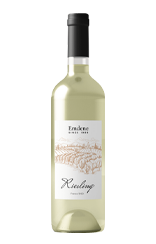
Riesling - 750 ml
₹ 2349.00
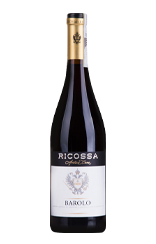
Ricossa barolo - 750 ml
₹ 4235.00
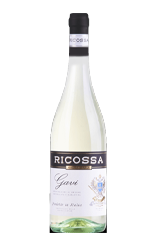
Ricossa gavi - 750 ml
₹ 1975.00
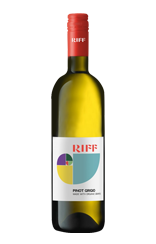
Riff pinot grigio - 750 ml
₹ 1320.00
Wine Price List in City
Latest Updates
-
 August 2026 Important Days And Events: Complete List Of National And International Observances This Month
 -
 7.1-Magnitude Earthquake Strikes Japan: 10 Emergency Go-Bag Essentials Every Home Should Have
 -
 Cotton vs Linen vs Chanderi: Which Fabric Is Best For Monsoon?
 -
 Guru Purnima 2026: Spiritual Healer Ayush Gupta Shares What to Expect This Full Moon For All Zodiac Signs
 -
 For ‘Spider-Man: Brand New Day’ Promotions Zendaya Spins A Stylish Web With Spider-Inspired Method Dressing
 Continue with Google