




 Click it and Unblock the Notifications


Double Blue Classic Grain Whisky
Double Blue Classic Grain Whisky Price

180 ml
₹ 165
375 ml
₹ 330
750 ml
₹ 650
₹ 650
Uttarakhand
Ingredients
The primary ingredients in Double Blue Classic Grain Whisky are grains, water, and yeast. The grains used include barley, corn, and wheat. These grains are carefully selected for their quality. Pure water is essential for the mashing process, while yeast helps in fermentation.Preparation
The preparation of Double Blue Classic Grain Whisky involves several steps. First, the grains are mashed to extract fermentable sugars. The mash is then fermented with yeast to produce alcohol. This liquid is distilled to increase its alcohol content before being aged in oak barrels.Flavour Profile
Double Blue Classic Grain Whisky is known for its smooth and balanced flavour. It has notes of vanilla, caramel, and oak. The whisky also has a hint of spice, making it complex yet approachable. This flavour profile appeals to both new and seasoned whisky drinkers.Variations
There are several variations of Double Blue Classic Grain Whisky available. These include different ages and cask finishes. Some versions are aged longer for a richer taste, while others may be finished in sherry or bourbon casks for added complexity.Cultural Significance
Whisky holds a special place in many cultures. In Scotland, it is often enjoyed during celebrations and gatherings. Double Blue Classic Grain Whisky has also found a place in Indian culture, where it is appreciated for its quality and taste.Pairings
Double Blue Classic Grain Whisky pairs well with various foods. It complements rich dishes like steak or lamb. Cheese platters with aged cheddar or blue cheese also make excellent pairings. For dessert, try it with dark chocolate or fruit tarts.Serving Suggestions
This whisky can be enjoyed in several ways. Serve it neat to appreciate its full flavour or on the rocks for a chilled experience. It also works well in cocktails like Old Fashioned or Whisky Sour.Popularity and Trends
The popularity of Double Blue Classic Grain Whisky has been on the rise. More people are discovering its smooth taste and versatility. Trends show an increasing interest in premium whiskies, making Double Blue a sought-after choice.Interesting Facts
Did you know that Double Blue Classic Grain Whisky is often used in blending? Its smooth character makes it an ideal base for creating blended whiskies. Another fun fact is that the brand has won several awards for its quality.Health Considerations
Like all alcoholic drinks, Double Blue Classic Grain Whisky should be consumed responsibly. Moderate consumption may have some benefits like stress relief but excessive drinking poses health risks such as liver damage and addiction.Production Regions
The primary production region for Double Blue Classic Grain Whisky is Scotland. However, it is also produced in other countries with established whisky-making traditions like India and Japan.Legal Status and Regulations
The legal status of whisky varies by country. In India, the legal drinking age ranges from 18 to 25 depending on the state. Always check local laws before purchasing or consuming alcohol.Distillation and Aging Process
The distillation process involves heating the fermented mash to separate alcohol from water and impurities. The distilled spirit is then aged in oak barrels for several years to develop its flavour.Historical Anecdotes
An interesting historical anecdote about Double Blue Classic Grain Whisky involves its early days in Scotland. Legend has it that the first batch was made by monks who perfected the art of distillation over centuries.Economic Impact
The production of Double Blue Classic Grain Whisky contributes significantly to local economies. It creates jobs in distilleries and supports related industries like agriculture and tourism.Environmental Considerations
Sustainability practices are becoming more important in whisky production. Many distilleries now focus on reducing waste and conserving water during the production process to minimise environmental impact.Cocktail Recipes
Cocktail Name | Ingredients | Instructions |
Old Fashioned | 60ml Double Blue Whisky | Muddle sugar cube with bitters. |
Whisky Sour | 60ml Double Blue Whisky | Shake all ingredients with ice. |
Awards and Recognition
Double Blue Classic Grain Whisky has received numerous awards over the years. These accolades highlight its exceptional quality and craftsmanship, making it a respected name in the whisky industry.Sustainability Focus
Sustainability is a key focus for many whisky producers today. Efforts include using renewable energy sources, recycling waste materials, and supporting sustainable farming practices to ensure long-term viability.Disclaimer: The information presented on this page regarding liquor prices, types, and brands is intended for general reference only. While we strive for accuracy; prices and availability may vary. For the most up-to-date information, please consult local retailers or official sources. Consumption of alcoholic beverages should be done responsibly, in accordance with legal drinking age requirements and health conditions. We do not endorse the consumption of alcohol.
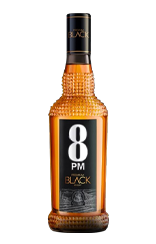
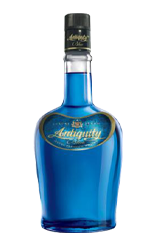
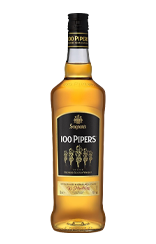
Similar Whisky Products You Might Like
Latest Updates
-
 Who Was Suneil Anand? Dev Anand's Only Son Passes Away At 70 In London
 -
 Purnima Upavas 2026: Benefits Of Fasting On The Full Moon And Its Astrological Importance
 -
 Happy Guru Purnima 2026: 50+ Wishes, Messages And Quotes To Share With Your Teachers And Mentors
 -
 Buck Moon 2026: When To Watch In India And How This Full Moon Activates Your Sun And Rising Sign
 -
 Screen Time, Stress And Sleep: Are Modern Lifestyles Silently Affecting Brain Health?
 Continue with Google