




 Click it and Unblock the Notifications


Chateauneuf Du Pape Red Pere Anselme-df 750mlx12btls
Chateauneuf Du Pape Red Pere Anselme-df 750mlx12btls Price

750 ml
₹ 3
₹ 3
Karnataka
Ingredients
This wine is made from a blend of grape varieties. The primary grapes used are Grenache, Syrah, and Mourvèdre. Other permitted varieties include Cinsault and Counoise. These grapes are carefully selected to ensure the highest quality.Preparation
The preparation of Chateauneuf Du Pape involves traditional winemaking techniques. The grapes are harvested by hand and then fermented in large vats. After fermentation, the wine is aged in oak barrels for several months to develop its complex flavours.Flavour Profile
Chateauneuf Du Pape Red Pere Anselme-df is known for its rich and full-bodied flavour. It has notes of dark fruits like blackberry and plum, along with hints of spice and herbs. The wine also has a smooth texture and a long finish.Variations
There are several variations of Chateauneuf Du Pape, each with its unique characteristics. Some wines may have a higher proportion of Grenache, while others may focus more on Syrah or Mourvèdre. These variations offer different flavour profiles.Cultural Significance
This wine holds significant cultural importance in France. It is often associated with celebrations and special occasions. The wine's history and connection to the papacy add to its cultural value.Pairings
Chateauneuf Du Pape pairs well with a variety of foods. It complements red meats, game, and rich stews. The wine also pairs nicely with aged cheeses and hearty dishes.Serving Suggestions
This wine should be served at room temperature, around 16-18°C (60-65°F). It is best enjoyed in large, rounded glasses that allow the aromas to develop fully. Decanting the wine before serving can enhance its flavours.Popularity and Trends
Chateauneuf Du Pape remains popular among wine enthusiasts worldwide. Its rich history and distinctive flavour make it a sought-after choice. Recent trends show an increasing interest in organic and biodynamic versions of this wine.Interesting Facts
The region of Chateauneuf-du-Pape was one of the first to establish strict wine regulations. These rules ensure the quality and authenticity of the wine. Another interesting fact is that some bottles feature embossed papal keys as a mark of their heritage.Health Considerations
Moderate consumption of red wine like Chateauneuf Du Pape may offer health benefits such as improved heart health due to antioxidants. However, excessive drinking can lead to health risks including liver damage and addiction.Production Regions
The primary production region for this wine is Chateauneuf-du-Pape in southern France. This area is known for its unique terroir, which includes rocky soils that retain heat and contribute to the grapes' ripeness.Legal Status and Regulations
The production of Chateauneuf Du Pape is regulated by French AOC (Appellation d'Origine Contrôlée) laws. These regulations ensure that the wine meets specific standards regarding grape varieties, production methods, and quality.Distillation and Aging Process
The distillation process for this wine involves fermenting the grapes in large vats before aging them in oak barrels. The aging process can last from several months to several years, depending on the desired flavour profile.Historical Anecdotes
An interesting historical anecdote involves Pope John XXII, who was so fond of this wine that he built a summer palace in Chateauneuf-du-Pape. This helped boost the region's reputation as a premier winemaking area.Economic Impact
The production and sale of Chateauneuf Du Pape contribute significantly to the local economy. The wine industry provides jobs and supports tourism in the region, attracting visitors from around the world.Environmental Considerations
Sustainable practices are increasingly being adopted in the production of Chateauneuf Du Pape. Many vineyards are moving towards organic farming methods to reduce their environmental impact and promote biodiversity.Cocktail Recipes
While Chateauneuf Du Pape is typically enjoyed on its own, it can also be used in cocktails. One simple recipe involves mixing it with a splash of soda water and a twist of orange peel for a refreshing drink.Conservation Efforts
Efforts are being made to conserve the unique terroir of Chateauneuf-du-Pape. This includes protecting the rocky soils and promoting sustainable farming practices to ensure the long-term viability of vineyards.Awards and Recognition
Chateauneuf Du Pape wines have received numerous awards over the years. These accolades recognise their exceptional quality and craftsmanship. Many bottles have earned high ratings from prestigious wine critics.Sustainability Focus
Sustainability is a growing focus within the Chateauneuf Du Pape industry. Many producers are adopting eco-friendly practices such as reducing water usage, minimising chemical inputs, and promoting biodiversity in vineyards.Disclaimer: The information presented on this page regarding liquor prices, types, and brands is intended for general reference only. While we strive for accuracy; prices and availability may vary. For the most up-to-date information, please consult local retailers or official sources. Consumption of alcoholic beverages should be done responsibly, in accordance with legal drinking age requirements and health conditions. We do not endorse the consumption of alcohol.
Similar Wine Products You Might Like

Outback Jack Chardonnay - 750 ml
₹ 1295.00
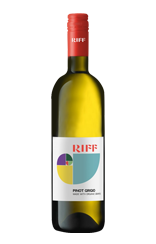
Riff Pinot Grigio - 750 ml
₹ 659.00
Outback Jack Shiraz - 750 ml
₹ 1295.00
Wine Price List in City
Vodka Products You Might Like



Vladivar Vodka Green Apple - 750 ml
₹ 789.00
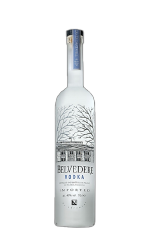
Uluvka Vodka - 700 ml
₹ 5530.00
Latest Updates
-
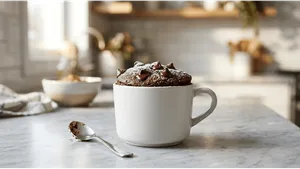 2 Minute Microwave Magic: The Ultimate Mug Cake Recipe
 -
 Horoscope for Today June 22, 2026 - Mindful Actions, Steady Progress
 -
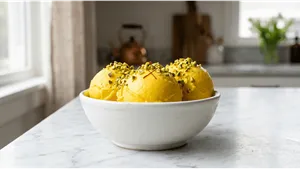 Homemade Without Machine Mango Ice Cream Recipe: Pure Summer Bliss
 -
 Summer Solstice 2026: What Makes June 21 The Longest Day Of The Year?
 -
 The Perfect Bakery Style Trick for Your Macaron Recipe
 Continue with Google