




 Click it and Unblock the Notifications


Chateau Cheval Blanc-df 750mlx12btls
Chateau Cheval Blanc-df 750mlx12btls Price

750 ml
₹ 1
₹ 1
Karnataka
Ingredients
The primary ingredients in Chateau Cheval Blanc are Merlot and Cabernet Franc grapes. These grapes are carefully selected to ensure the highest quality. The blend typically consists of around 60% Merlot and 40% Cabernet Franc.Preparation
The preparation of Chateau Cheval Blanc involves meticulous vineyard management and winemaking techniques. The grapes are hand-harvested, sorted, and fermented in temperature-controlled vats. The wine is then aged in new oak barrels for 18 to 24 months.Flavour Profile
Chateau Cheval Blanc is known for its complex flavour profile. It offers notes of dark fruits like blackberries and plums, complemented by hints of spices, tobacco, and chocolate. The wine has a velvety texture and a long, elegant finish.Variations
While the main product is the Chateau Cheval Blanc Grand Vin, there are also second wines produced by the estate. These include Petit Cheval, which offers a more accessible option while maintaining high quality.Cultural Significance
Chateau Cheval Blanc holds significant cultural importance in the world of wine. It is often featured in prestigious wine auctions and is a favourite among collectors and connoisseurs. Its reputation extends beyond France to global markets.Pairings
This wine pairs well with a variety of dishes. It complements red meats, game, and rich sauces beautifully. It also pairs well with aged cheeses and dark chocolate desserts.Serving Suggestions
Chateau Cheval Blanc should be served at around 16-18°C (60-65°F). Decanting the wine for about an hour before serving can enhance its flavours and aromas. Use large-bowled glasses to allow the wine to breathe.Popularity and Trends
The popularity of Chateau Cheval Blanc continues to grow. It remains a sought-after wine at auctions and is frequently featured in top restaurants worldwide. Trends show an increasing interest in older vintages among collectors.Interesting Facts
One interesting fact about Chateau Cheval Blanc is that it was one of the first estates to be classified as Premier Grand Cru Classé A in Saint-Émilion. This classification highlights its exceptional quality.Health Considerations
Moderate consumption of red wine like Chateau Cheval Blanc may offer some health benefits, such as antioxidants that promote heart health. However, excessive consumption can lead to health risks like liver disease and addiction.Production Regions
The primary production region for Chateau Cheval Blanc is Saint-Émilion in Bordeaux, France. This region is known for its ideal climate and soil conditions for growing Merlot and Cabernet Franc grapes.Legal Status and Regulations
The legal status of Chateau Cheval Blanc varies by country. In India, it is important to check local laws regarding the importation and sale of alcoholic beverages. Always ensure compliance with local regulations.Distillation and Aging Process
The distillation process for Chateau Cheval Blanc involves fermenting the grape juice into wine. The aging process takes place in new oak barrels for up to two years, allowing the wine to develop its complex flavours.Historical Anecdotes
An interesting historical anecdote about Chateau Cheval Blanc is that it was served at Queen Elizabeth II's coronation banquet in 1953. This event highlighted its status as a wine of exceptional quality.Economic Impact
The production and sale of Chateau Cheval Blanc have a significant economic impact on the Bordeaux region. It provides employment opportunities and contributes to the local economy through tourism and exports.Environmental Considerations
The estate employs sustainable farming practices to minimise environmental impact. These include organic farming methods, reducing chemical use, and promoting biodiversity within the vineyards.Cocktail Recipes
While Chateau Cheval Blanc is best enjoyed on its own, it can also be used in high-end cocktails. One popular recipe is the "Cheval Royale," which combines the wine with champagne and a touch of crème de cassis.Conservation Efforts
The estate is committed to conservation efforts to protect the environment. Initiatives include water conservation, waste reduction, and promoting sustainable practices among other vineyards in the region.Awards and Recognition
Chateau Cheval Blanc has received numerous awards over the years. It has consistently been rated highly by wine critics and has won accolades at international wine competitions.Sustainability Focus
Sustainability is a key focus for Chateau Cheval Blanc. The estate employs eco-friendly practices such as using renewable energy sources, recycling materials, and reducing carbon emissions to ensure long-term sustainability.Aspect | Description |
History | Established in 1832 in Saint-Émilion, Bordeaux. |
Main Ingredients | Merlot (60%) and Cabernet Franc (40%). |
Aging Process | Aged in new oak barrels for 18-24 months. |
Cultural Significance | A symbol of luxury; featured in prestigious auctions. |
Sustainability Practices | Organic farming; renewable energy use; waste reduction. |
Awards | Numerous accolades from international competitions. |
Main Production Region | Bordeaux, France. |
Serving Temperature | 16-18°C (60-65°F). |
Main Pairings | Red meats; aged cheeses; dark chocolate desserts. |
Cocktail Recipe Example | "Cheval Royale" - Wine with champagne & crème de cassis. |
Health Considerations | Moderate consumption may offer benefits; excessive use poses risks. |
Evolving Trends | Growing interest in older vintages among collectors. |
Anecdote Highlight | Served at Queen Elizabeth II's coronation banquet in 1953. |
Sustainability Focus Areas | Biodiversity promotion; carbon emission reduction; recycling materials. |
|
Disclaimer: The information presented on this page regarding liquor prices, types, and brands is intended for general reference only. While we strive for accuracy; prices and availability may vary. For the most up-to-date information, please consult local retailers or official sources. Consumption of alcoholic beverages should be done responsibly, in accordance with legal drinking age requirements and health conditions. We do not endorse the consumption of alcohol. Similar Wine Products You Might Like 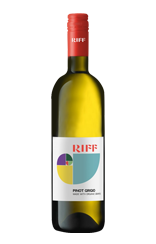
Riff Pinot Grigio - 750 ml ₹ 659.00
Bush Ballad Shiraz Wine - 750 ml ₹ 1575.00
Sula Brut - 750 ml ₹ 1400.00
Jacobs Creek Shiraz Cabernet - 750 ml ₹ 1350.00
Jacobs Creek Chardonnay - 750 ml ₹ 671.00 Wine Price List in City Beer Products You Might Like Latest Updates
Notifications
Settings
Clear Notifications
Notifications
Use the toggle to switch on notifications
 Log in for Better Reading Experience!
By signing in, you agree to our Terms and Privacy Policy
Gender
Select your Gender
Age
Select your Age Range
|
|---|





 Continue with Google