




 Click it and Unblock the Notifications


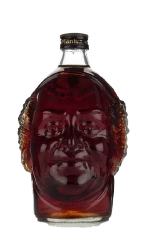
Bombay Malt Whisky
Bombay Malt Whisky Price

180 ml
₹ 160
375 ml
₹ 320
750 ml
₹ 640
₹ 640
Chhattisgarh
Ingredients
The primary ingredients in Bombay Malt Whisky include malted barley, water, and yeast. The quality of these ingredients plays a crucial role in the final product's taste. The barley is often sourced locally, ensuring freshness and supporting local agriculture.Preparation
The preparation of Bombay Malt Whisky involves mashing the malted barley with water to extract sugars. This mixture is then fermented with yeast to produce alcohol. The resulting liquid is distilled to increase its alcohol content before being aged in oak barrels.Flavour Profile
Bombay Malt Whisky is known for its smooth and complex flavour profile. It often features notes of vanilla, caramel, and spices, with a hint of smokiness. The ageing process in oak barrels adds depth and character to the whisky.Variations
There are several variations of Bombay Malt Whisky available, each offering a unique taste experience. Some are aged longer for a richer flavour, while others may include additional spices or ingredients to create distinct profiles.Cultural Significance
In India, Bombay Malt Whisky holds cultural significance as a symbol of celebration and hospitality. It is often enjoyed during festivals, weddings, and other special occasions, reflecting its importance in Indian social life.Pairings
This whisky pairs well with a variety of foods. It complements spicy Indian dishes, grilled meats, and even desserts like chocolate cake. The balance of flavours enhances the dining experience.Serving Suggestions
Bombay Malt Whisky can be enjoyed neat or on the rocks. For those who prefer cocktails, it serves as an excellent base for classic drinks like the Old Fashioned or Whisky Sour.Popularity and Trends
The popularity of Bombay Malt Whisky has been on the rise both in India and abroad. Its unique flavour profile appeals to whisky enthusiasts looking for something different from traditional Scotch or Bourbon.Interesting Facts
An interesting fact about Bombay Malt Whisky is that it often incorporates local spices during production. This adds a distinctive twist that sets it apart from other whiskies on the market.Health Considerations
While moderate consumption of whisky may offer some health benefits like improved heart health, excessive drinking poses risks such as liver damage and addiction. It's important to enjoy responsibly.Production Regions
The primary production regions for Bombay Malt Whisky are located in India, particularly around Maharashtra. These areas provide ideal conditions for growing high-quality barley used in whisky production.Legal Status and Regulations
The legal status of Bombay Malt Whisky varies by region. Consumers should check local laws regarding alcohol consumption and purchase to ensure compliance with regulations.Distillation and Aging Process
The distillation process involves heating the fermented liquid to separate alcohol from water. The spirit is then aged in oak barrels for several years, allowing flavours to develop fully.Historical Anecdotes
Anecdotes about Bombay Malt Whisky often highlight its role in Indian celebrations over the years. It has been part of many memorable events, adding to its rich history.Economic Impact
The production of Bombay Malt Whisky contributes significantly to the local economy by providing jobs and supporting related industries such as agriculture and tourism.Environmental Considerations
Sustainable practices are increasingly being adopted within the industry to reduce environmental impact. Efforts include using renewable energy sources and minimising waste during production.Cocktail Recipes
Cocktail Name | Main Ingredients |
Mumbai Mule | Bombay Malt Whisky, ginger beer, lime juice |
Maharaja's Delight | Bombay Malt Whisky, honey syrup, lemon juice |
Awards and Recognition
Bombay Malt Whisky has received numerous awards for its quality and taste at international spirits competitions. These accolades highlight its standing among global whisky brands.Sustainability Focus
The industry is focusing on sustainability by implementing eco-friendly practices such as water conservation and reducing carbon emissions during production processes.Bombay Malt Whisky FAQs
What is Bombay Malt Whisky known for?
What are the primary ingredients in Bombay Malt Whisky?
How is Bombay Malt Whisky traditionally consumed?
What makes Bombay Malt Whisky's flavour unique?
Where is Bombay Malt Whisky primarily produced?
Disclaimer: The information presented on this page regarding liquor prices, types, and brands is intended for general reference only. While we strive for accuracy; prices and availability may vary. For the most up-to-date information, please consult local retailers or official sources. Consumption of alcoholic beverages should be done responsibly, in accordance with legal drinking age requirements and health conditions. We do not endorse the consumption of alcohol.
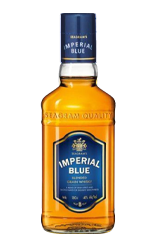
Similar Whisky Products You Might Like
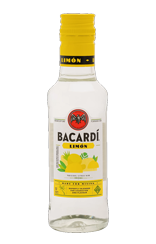
Rum Products You Might Like
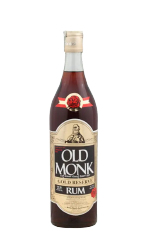
Old Monk Gold Reserve Rum - 750 ml
₹ 920.00
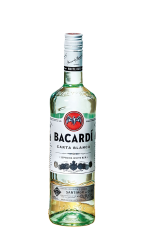
Latest Updates
-
 Harry Potter-Inspired Chocolate Collection In India: Entisi Chocolatier Teams Up With Warner Bros. Discovery
 -
 Radhika Ambani's ₹5.6 Lakh Dior Mid-Length Belted Dress In London Outing Is Winning Hearts
 -
 World Breastfeeding Week 2026: Breastfeeding In Public—Rights, Comfort And Confidence
 -
 Mahanadi Flood Alert: Why Odisha Faces Flooding Almost Every Monsoon
 -
 Gajanana Sankashti Chaturthi 2026: Significance, Puja Vidhi, Vrat Rules And Moonrise Time
 Continue with Google