




 Click it and Unblock the Notifications


Napolean Brandy Price 2026
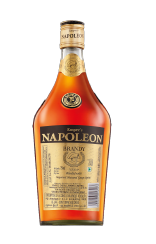
Napolean brandy is renowned for its rich history and quality. Known for its luxurious taste, it enjoys global popularity and cultural significance. Traditional production methods combined with modern innovations ensure its excellence.
Napolean Brandy Price List
Latest Napolean Brandy Price List
| Brandy Name | State | Volume | Price |
|---|---|---|---|
| Diamond Cup Fine Brandy | Puducherry | 90 ml | ₹ 19.00 |
| Puducherry | 180 ml | ₹ 38.00 | |
| Puducherry | 375 ml | ₹ 75.00 | |
| Puducherry | 500 ml | ₹ 100.00 | |
| Puducherry | 750 ml | ₹ 145.00 | |
| Puducherry | 1000 ml | ₹ 195.00 | |
| 2 Barrels Napoleon Brandy | Puducherry | 60 ml | ₹ 20.00 |
| Puducherry | 90 ml | ₹ 35.00 | |
| Puducherry | 180 ml | ₹ 70.00 | |
| Puducherry | 375 ml | ₹ 140.00 |
Napolean Brandy History and Production
The Napolean brand has a rich history in the world of alcoholic beverages. It is named after the famous French leader, Napoleon Bonaparte. The brand is known for its quality and tradition. Over the years, it has become a symbol of excellence in the industry.
Type
Napolean is primarily known for its brandy. Brandy is a distilled spirit made from fermented fruit juice, usually grapes. It is enjoyed worldwide for its smooth taste and warming qualities. Napolean brandy is often associated with luxury and sophistication.
Manufacturer
The manufacturer of Napolean brandy has maintained high standards over the years. They focus on using quality ingredients and traditional methods. This dedication ensures that each bottle meets the expectations of consumers who value authenticity.
Popularity and Trends
Napolean brandy has seen consistent popularity over the years. It is favoured by those who appreciate fine spirits. Trends show that more people are exploring premium brands like Napolean, seeking unique flavours and experiences.
Production Regions
The production of Napolean brandy is centred in regions known for their rich history in winemaking. These areas provide ideal conditions for growing quality grapes. The climate and soil contribute to the distinct taste of Napolean brandy, making these regions vital to its identity.
Production Techniques and Innovations
Napolean brandy production involves traditional techniques passed down through generations. However, there are also innovations to improve quality and efficiency. These include modern distillation methods that enhance flavour while maintaining authenticity.
Historical Milestones
Throughout its history, Napolean brandy has achieved several milestones. It has been recognised for its quality at international competitions. These achievements have helped cement its reputation as a leading brand in the industry.
Global Reach and Cultural Impact
Napolean brandy enjoys a global presence, available in many countries around the world. Its cultural impact is significant, often associated with celebrations and special occasions. The brand continues to influence how people enjoy fine spirits globally.
htmlNapoleon Bonaparte was born on 15 August 1769 in Corsica, an island in the Mediterranean Sea. He rose to prominence during the French Revolution.
In 1804, Napoleon crowned himself Emperor of the French. This marked the beginning of the First French Empire.
Napoleon's military campaigns are known as the Napoleonic Wars. These wars lasted from 1803 to 1815 and involved many European nations.
At its height in 1812, Napoleon's empire controlled much of Europe, including France, Italy, and parts of Germany and Spain.
The Battle of Waterloo took place on 18 June 1815. It was Napoleon's final defeat, leading to his exile on the island of Saint Helena.
Napoleon introduced the Napoleonic Code in 1804. This legal code influenced many modern legal systems around the world.
Napoleon died on 5 May 1821 at the age of 51. He spent his last years in exile on Saint Helena in the South Atlantic Ocean.
Napoleon Bonaparte, a prominent figure in European history, had indirect influences on India. Although he never set foot in India, his actions in Europe and Egypt affected British colonial interests in the region. His campaigns prompted the British to strengthen their hold on India to counter any potential threats.
Napoleon's Egyptian Campaign
In 1798, Napoleon led a campaign in Egypt. This move was strategic, aiming to disrupt British trade routes to India. The British saw this as a threat to their Indian colony. Consequently, they fortified their presence in India, ensuring that their control remained unchallenged.
Impact on Indian Politics
Napoleon's actions indirectly influenced Indian politics. The British were wary of French alliances with Indian rulers. This led to increased diplomatic efforts by the British to secure loyalty from local princes. The fear of French influence pushed the British to consolidate power in India.
Military Reforms and Strategies
Napoleon was known for his military strategies and reforms. These influenced military tactics worldwide, including in India. The British adopted some of these strategies to strengthen their forces in India. This ensured they could counter any potential threats from European rivals.
Legacy and Historical Significance
While Napoleon never directly impacted India, his legacy is significant. His actions prompted the British to tighten their grip on the region. This had lasting effects on India's colonial history. Napoleon's influence is a reminder of how global events can shape regional histories.
Disclaimer: Consume alcohol responsibly. This content is for educational purposes only.
Napolean Brandy Price 2026 - FAQs
Napolean brandy is known for its quality, tradition, and luxurious taste.
Napolean brandy is produced in regions with a rich winemaking history.
The manufacturer uses quality ingredients and traditional methods to maintain high standards.
Napolean brandy has a significant cultural impact and is associated with celebrations worldwide.
Modern distillation methods enhance flavour while maintaining authenticity in Napolean brandy production.
Latest Updates
-
 60 Is the New 40, But Is Your Body Keeping Up? The Health Checks Seniors Shouldn't Skip
 -
 Aasha Singh Jaiswal, India's First Female Mimicry Artist, Dies At 83
 -
 Setting Up A New Office? Vastu Expert Shares Common Mistakes To Avoid
 -
 Who Is Kaziah Liz Mejo? Meet The 19-Year-Old Miss Universe India 2026
 -
 Saransh Jain Replaces Kuldeep Yadav: Everything To Know About India's New Debutant
-
Block for 8 hours
-
Block for 12 hours
-
Block for 24 hours
-
Don't block
 Continue with Google
- Male
- Female
- Others
- Under 18
- 18 to 25
- 26 to 35
- 36 to 45
- 45 to 55
- 55+
 q
q