




 Click it and Unblock the Notifications


Latest Updates
-
 Why Casual Games Are Perfect for Quick Online Play
 -
 World Menopause Day 2026: Theme, Significance And What Research Reveals About Menopause In India
 -
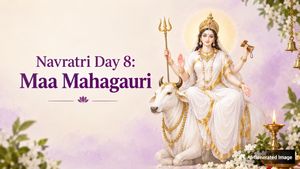 Navratri Day 8: Maa Mahagauri Puja, Colour, Rituals And Significance
 -
 Dussehra 2026: The Difference Between Vijayadashami And Ravana Dahan
 -
 Veteran Musician Deva Dies At 75: Life And Legacy Of Thenisai Thendral
 -
 Navratri Fasting Diet: How To Stay Energised And Full Through The Day
 -
 Kavya Maran Wedding In Greece? Date, Venue, and What Is Confirmed
 -
 Navratri Fasting 101: What To Eat, What To Skip, And How To Avoid Acidity And Headaches
 -
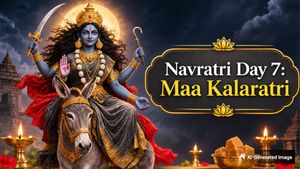 Navratri Day 7: Maa Kalaratri Puja, Colour, Rituals And Significance
 -
 Office To Dandiya Nights: One Quick-Change Outfit Formula For Navratri 2026


Why Did Mongol Warriors Drink Blood? How Did It Play Crucial Role In Military Expeditions?

The Mongols, known for their vast empire stretching across Eurasia in the 13th century, had a unique practice that has intrigued historians: they drank the blood of live horses.
This tradition, often seen as a survival strategy, was rooted deeply in the nomadic lifestyle of the Mongols and played a crucial role in their military expeditions.

Why Did Mongol Warriors Drink Blood?
The Mongol warriors, always on the move, found themselves in vast plains far from any sustainable water sources. The harsh conditions of the steppe required a sustainable, readily available source of nourishment to maintain their strenuous campaigns. Horse blood, rich in nutrients and easy to obtain, became a vital resource.
By making a small incision in the horse's neck, the Mongols could drink the blood directly, allowing the wound to heal and the horse to recover quickly. This practice ensured that their mounts remained healthy and capable of continuing the long marches necessary for the Mongols’ expansion.
An Intimate Bond with Horses
The Mongols' reliance on horses was not only practical but also spiritual. Horses were central to the Mongol identity, symbolizing strength, resilience, and freedom. Drinking the blood of their horses was more than a survival tactic; it was a sacred act that deepened the bond between the warrior and his steed.
This unique relationship was instrumental in the Mongols’ ability to traverse vast distances quickly, a key factor in their military success.
Moreover, the practice of consuming horse blood allowed the Mongol armies to travel lightly, without the need to carry large reserves of food and water. This strategic advantage enabled them to execute swift attacks and surprise their adversaries, often leading to victory against more heavily armored but less mobile foes.
Mongol's Survival Strategies
The Mongols' innovative survival strategies, including the consumption of horse blood, contributed significantly to their military prowess and the establishment of an empire that spanned much of Eurasia.
The ability to adapt to the harsh conditions of the steppe and maintain a deep connection with their horses was a testament to the ingenuity and resilience of the Mongol people.
While the practice of drinking horse blood may seem alien to modern sensibilities, it was a pragmatic solution to the challenges faced by the Mongol warriors. It is a reminder of the lengths to which humans have gone to survive and thrive in extreme conditions.
The Mongol practice of consuming horse blood underscores the adaptability and resourcefulness of nomadic cultures. It also highlights the profound bond between the Mongols and their horses, an element central to their identity and success. This unique tradition, while a survival mechanism, also reflects the Mongol's deep respect for the natural world and their place within it.

 Continue with Google

