




 Click it and Unblock the Notifications


Latest Updates
-
 Vidya Balan’s Jailer 2 Entry As Kantha: From Silk To Manjulika, A Look At Her Unconventional Roles
 -
 Samay Raina Has Now Denied Dating Rumours With Two Women In Three Months
 -
 Kareena Kapoor Turns 46: From Size Zero To Fine Lines, The ‘Daayra’ Actress Is Choosing To Age Without Apology
 -
 The Emotional Side of Delayed Parenthood That We Don’t Talk About Enough
 -
 World Alzheimer’s Day 2026: Why Early Diagnosis Matters And What This Year’s Theme Means
 -
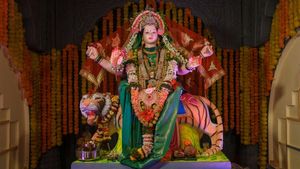 When Is Navratri In 2026? Full Dates, Rituals, Colours, Significance, and Fasting Guide
 -
 Vijay Sethupathi Confirms Maharaja 2, Hollywood Remake In The Works
 -
 Dashavatara Vrat 2026: Everything To Know About Tithi, Rituals, Fasting And The Ten Forms Of Lord Vishnu
 -
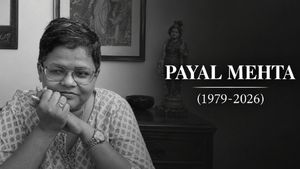 Senior Journalist Payal Mehta Passes Away At 46; PM Modi, Rahul Gandhi, Other Political Leaders Pay Tributes
 -
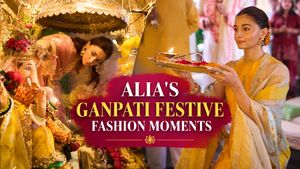 Alia Bhatt’s Ganesh Chaturthi 2026 Looks Were All About Custom Kurtas, Colour And Modern Festive Style


Evolution Of Indian Jewellery

Jewellery is always considered as a part of the Indian custom and tradition, no matter how modern we are! Knowing the evolution of India jewellery is as interesting as knowing the history of our country.
It is more than a piece of ornament when we come to know about the history and evolution of the extraction, designing and techniques.
There are many sources that will help us know about the evolution of Indian jewellery. It is clear that jewellery has been classified into different categories based on the type of the materials used and the design peculiarities.
What Kind Of Jewelry Suits Your Neck?
Common materials that are used to make jewellery are gold, silver, emeralds, diamonds, pearls and other precious stones.

History of Indian jewellery is also closely associated with the various religions that were in practice. There are specific jewellery types that are particular for different religious followers.
Being a country with diverse cultural heritage, there are many regional differences also while we consider the evolution of Indian jewellery.
Jewellery was also a representation of the dignity, power and prestige among the rulers. Here we may go through some of the types of Indian jewellery's that became part of our history.

Temple Jewellery
Temple jewellery are dull and rough looking jewellery, which will help us to know about the culture of each period of history, when it was the most popular type.
The main focus of these jewellery making is on the ethnic design, stones, metal and expert workmanship. These were used by women who performed various temple art and dance forms.

Bead Jewellery
Beaded jewellery is almost five thousand year old back to Indus Valley Civilization. It is commonly used with beads made of gold, silver, copper, clay, ivory and wood. They were made according to the prestige of the people who are wearing it. India was also famous for the glass beads of Banaras.

Jadau Jewellery
Jadau Jewellery or engraved jewellery is a part of Mughal culture. This is made using gold with stones, gems, crystals and beads are embedded it.
This also uses polki or vilandi diamonds. Jadau is also considered as antique jewellery, which is an important part of the history of Indian jewellery.
Royal Jewellery
The study of evolution of Indian jewellery used by the royal category will let us know about the costly and special types of materials and techniques used in the jewellery making. Also, it will tell us know about the cultural inheritance.

Minakari Jewellery
Minakari jewellery is one of the most interesting types while going through the history of Indian jewellery. This is based on enameling technique using gems, enamel pigments and precious stones. The designs include flowers, plants, birds and animal forms.
Navaratna Jewellery
Navaratna jewellery is made of nine gems and it was commonly used by emperors. This includes diamond, pearl, sapphire, cat’s eye, coral, emerald, topaz, ruby and hyacinth. Astrology represents the unity of universe with this.
Next time, before you wear your favourite jewellery, just think of the history behind the design. Knowing the evolution of Indian jewellery is more like knowing ourselves; our culture, heritage and evolution.

 Continue with Google

