




 Click it and Unblock the Notifications


Latest Updates
-
 'Why Being a Girl Doesn't Mean Living Suppressed', Meet India's First Female Sumo Wrestler Hetal Dave
 -
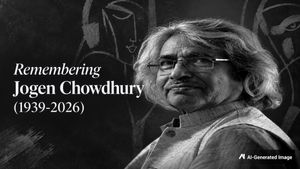 Remembering Jogen Chowdhury: Painter, Teacher, and Former Rajya Sabha Member
 -
 November 2026 Festivals: Diwali, Chhath, Dev Uthani Ekadashi And Every Vrat Date
 -
 November 2026 Important Days: Festivals, Health Days And Observances To Mark
 -
 Karwa Chauth 2026: Skincare Mistakes To Avoid Before The Festival
 -
 Periods That Become Heavier After 40: What Shouldn't Be Dismissed as Perimenopause?
 -
 Bigg Boss 20: Rohit Shetty Questions ScoutOP And Love Gill’s Bond, Kaashvi Says Feeling Disgusted
 -
 Sharad Purnima 2026: Try This Simple Gratitude Ritual Before Placing Kheer Under Moonlight
 -
 Dating App Survey Reveals How 30-Second Reels Distort Real-Life Relationship Expectations
 -
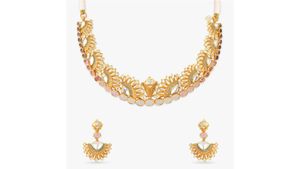 From Traditional to Contemporary: How Modern Gold Jewellery Is Redefining Festive Dressing


Rushdie pays tribute to fatwa opposition


Speaking at Hay Festival in Powys, where he was one of the keynote speakers, Rushdie paid tribute to all the booksellers who "redoubled" their efforts to sell the banned work.
In 1989, Iran's Ayatollah Khomeini issued the author with a death warrant over alleged blasphemy against the Prophet Mohamed in The Satanic Verses.
He returned to public life only 10 years later when Teheran withdrew its support for the death sentence.
Praising his supporters, Rushdie said the "many acts of courage" had stayed "more than the ugliness".
He said that while he was "demonised" by a threat from a foreign country, there were many "small-scale heroes' who kept on selling his work, The Satanic Verses.
"It was extraordinary to be at the centre of such a collective act," BBC quoted him, as saying.
Asked how the fatwa had changed him personally, the Booker-winning writer said he believed he would have changed in any case during the 20 years since the controversy occurred.
However, he added: "I had to understand not just what I was fighting against, but also what I was fighting for."

 Continue with Google

