




 Click it and Unblock the Notifications


Latest Updates
-
 Eat, Celebrate, Repeat: 6 Ayurvedic Tips To Keep Your Digestion Happy This Navratri 2026
 -
 Breast Cancer Awareness Month 2026: Expert Explains The Emotional Toll Of Breast Cancer
 -
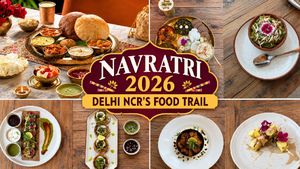 Navratri 2026 Food Hopping In Delhi NCR: 7 Places To Explore For A Taste Of Festive Flavours
 -
 Why Casual Games Are Perfect for Quick Online Play
 -
 World Menopause Day 2026: Theme, Significance And What Research Reveals About Menopause In India
 -
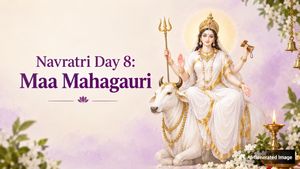 Navratri Day 8: Maa Mahagauri Puja, Colour, Rituals And Significance
 -
 Dussehra 2026: The Difference Between Vijayadashami And Ravana Dahan
 -
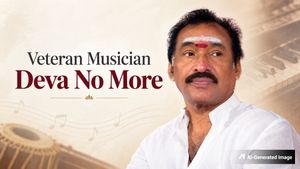 Veteran Musician Deva Dies At 75: Life And Legacy Of Thenisai Thendral
 -
 Navratri Fasting Diet: How To Stay Energised And Full Through The Day
 -
 Kavya Maran Wedding In Greece? Date, Venue, and What Is Confirmed


King Richard II's Recipe Book To Hit Cyberspace

Move aside gordon ramsay and Nigella Lucy Lawson, the latest best-selling book on recipe has arrived. This new cook book is centuries old and contains precious old recipes of the Medieval times.
A 14th-century recipe book compiled by King Richard II's master cooks is among several works being digitised for viewing on Internet. The book is being put online for the first time to give modern-day chefs an insight into the delicacies of the Middle Ages.
Forme of Cury, written in1390, details more than 200 dishes that were cooked in the royal household.Written in Middle English, it contains the instructions for creating long-forgotten dishes such as blank mang (a sweet dish of meat, milk, sugar and almonds), mortrews (ground and spiced pork). t is one of 40 literary treasures being made freely available on the internet for the first time by the University of Manchester's John Rylands University Library.
Other Middle English manuscripts to be digitised and put online include one of the earliest existing editions of the complete Canterbury Tales by Chaucer, John Lydgate's two major poems Troy Book and Fall of Princes, and 500-year-old translations of the Bible into English.
The work, which will be conducted using a state-of-the-art high-definition camera, will begin next month and is due to be completed by late 2009. Jan Wilkinson, the director of the John Rylands library, described the library's manuscripts as "a research resource of immense significance". "Yet the manuscripts are inherently fragile, and until now access to them has been restricted by the lack of digital copies. Digitisation will make them available to everyone," the Telegraph quoted her, as saying.
"For the first time it will be possible to compare our manuscripts directly with other versions of the texts in libraries located across the world, opening up opportunities for new areas of research. We hope that this will be the beginning of a wider digitisation programme, which will unlock the tremendous potential of our medieval manuscripts and printed books for the benefit of the academic community and the wider public," she added
With the application of digitalisation and technology, preserving the age-old ancient literary works can be bought about and the loss of priceless literature can be minimised.

 Continue with Google

