




 Click it and Unblock the Notifications


Latest Updates
-
 Dussehra 2026: The Difference Between Vijayadashami And Ravana Dahan
 -
 Veteran Musician Deva Dies At 75: Life And Legacy Of Thenisai Thendral
 -
 Navratri Fasting Diet: How To Stay Energised And Full Through The Day
 -
 Kavya Maran Wedding In Greece? Date, Venue, and What Is Confirmed
 -
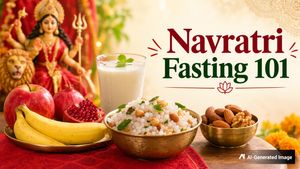 Navratri Fasting 101: What To Eat, What To Skip, And How To Avoid Acidity And Headaches
 -
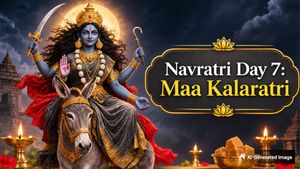 Navratri Day 7: Maa Kalaratri Puja, Colour, Rituals And Significance
 -
 Office To Dandiya Nights: One Quick-Change Outfit Formula For Navratri 2026
 -
 As ‘Ranabaali’ Hits Theatres, A Look At Rashmika Mandanna’s ₹1.31 Lakh Ivory Saree For Pre-Release Promotions
 -
 Durga Puja Pandals Mumbai 2026: 7 Stunning Celebrations To Explore From Matunga To Juhu
 -
 World Spine Day 2026: Is Your Phone Habit Causing Neck Pain? What To Know About Tech Neck


On Jawaharlal Nehru's 136th Birth Anniversary, Here's 10 Lesser-Known Facts About India’s First Prime Minister

It's 14 November 2025, a day that carries two identities in India - Children's Day and Jawaharlal Nehru's birth anniversary. Every year, we see the familiar photos, tributes and school events, but very little is said about the lesser-known side of the man behind the day. If you're someone who likes knowing what doesn't usually make it to textbooks, here are some facts about Nehru that are genuinely interesting and rooted in verified history.

He Wrote His Best Work Behind Bars
During his long spells in prison, Nehru wasn't idle. 'The Discovery of India ' was written entirely inside the Ahmednagar Fort, relying mostly on memory because he didn't have access to books. His autobiography was also written during another jail term. Those quiet, difficult years ended up producing two of his most influential works.
He Once Wanted To Be A Scientist
Before politics and public life took over, Nehru was fascinated by nature. As a child, he collected plants, examined insects and experimented with anything he could find. His early interest leaned more toward botany than law or politics.
His Cambridge Friends Called Him "Joe Nehru"
At Trinity College, "Jawaharlal" wasn't the easiest name for his classmates to pronounce. They settled on "Joe Nehru," a nickname that followed him around campus for years.
Kite-Flying Was One of His Favourite Hobbies
Nehru genuinely loved flying kites not just as a childhood hobby, but even during his time in England. He often introduced it to friends who had never tried it before.
He Actually Wanted To Study Economics
Nehru had originally planned to study Economics at the London School of Economics. Eventually, he shifted to law on the insistence of his father, Motilal Nehru. His time as a practicing barrister in Allahabad was short-lived before he moved full-time into the freedom struggle.
He Spent Almost Nine Years In Jail
His involvement in the independence movement wasn't limited to speeches or leadership roles. When all his jail terms are added up, Nehru spent around 3,259 days behind bars - nearly nine years. Those years deeply influenced his politics and his writing.
Animals Roamed Freely In His Home
Nehru loved animals and kept several pets at home. Visitors often recalled seeing them move freely around his residence, reflecting a softer side of him that people don't usually hear about.

He Spun A Saree For Indira While In Jail
During one of his imprisonments, Nehru spun a pale pink khadi saree for Indira Gandhi's wedding. The saree remained a cherished item in the family and was later worn by other members as well.
He Preferred Minimal Security
Nehru opposed unnecessary security and escorts. He felt his movements shouldn't disrupt normal public life, especially traffic. Even as a senior leader, he was firm about keeping things simple.
The Nehru Jacket Wasn't Meant to Be a Style Statement
The "Nehru jacket," with its band collar and minimalist look, was originally just a comfortable, functional garment he liked wearing. It later, unintentionally, became an international fashion reference.

On a day when schools celebrate Children's Day and the country honours Nehru's birth anniversary, it's easy to focus on the familiar images and stories. But there's a lot more to him beyond the rose, the cap and the title of India's first Prime Minister. These lesser-known details offer a closer, more personal look at a man whose life shaped modern India in ways that often get overlooked and that's what makes revisiting his story worthwhile today.

 Continue with Google

