




 Click it and Unblock the Notifications


Latest Updates
-
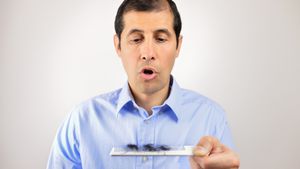 Stop Blaming the Monsoon Entirely for Your Hair Fall, Says This Dermatologist
 -
 Shakira Debuts a New Gaurav Gupta Breastplate, and This Time It's Gold and Banarasi
 -
 Can Hair Oils Prevent Premature Graying or Improve New Hair Growth?
 -
 Can Any Blood Group Donate Organs to Any Patient? A Transplant Expert Explains
 -
 Everyone's Talking About Rahane's Igatpuri Home. Here's Why The Town Itself Is Worth The Trip
 -
 You Don't Need Surgery for Every Sinus Problem: When Is FESS Actually Necessary?
 -
 Who Was Mithu Mukherjee? Veteran Bengali Actress Passes Away At 71
 -
 Ahmedabad Police Flag Fraud Risk Behind Viral 'Rent A Garba Partner' Ads
 -
 Vidya Balan’s Jailer 2 Entry As Kantha: From Silk To Manjulika, A Look At Her Unconventional Roles
 -
 Samay Raina Has Now Denied Dating Rumours With Two Women In Three Months


Taste A Beer Made From 45 million Year Old Yeast


Yet another 'discovery' made to enhance the taste of your beer. This time the super hit ingredient includes our 'little microscopic friends'.
A tiny colony of yeast trapped inside a Lebanese weevil covered in ancient Burmese amber for up to 45 million years, has been brought back to life in barrels of modern beer.
According to a report by ABC News, Emeritus Professor Raul Cano of the California Polytechnic State University, originally extracted the yeast a decade ago, along with more than 2000 different kinds of microscopic creatures.
Today, Cano uses the reactivated yeast to brew barrels of pale ale and German wheat beer. "You can always buy brewing yeast, and your product will be based on the brewmaster's recipes," said Cano. "Our yeast has a double angle: We have yeast no one else has and our own beer recipes," he added.
The beer received good reviews at the Russian River Beer Festival and from other reviewers. The Oakland Tribune beer critic, William Brand, said that the beer has "a weird spiciness at the finish," and The Washington Post said the beer was "smooth and spicy." Part of that taste comes from the yeast's unique metabolism. "The ancient yeast is restricted to a narrow band of carbohydrates, unlike more modern yeasts, which can consume just about any kind of sugar," said Cano.
Eventually, the yeast will likely evolve the ability to eat other sugars, which could change the taste of the beer. Cano plans to keep a batch of the original yeast to keep the beer true to form. "We think that people will drink one beer out of curiosity," said Cano. "But if the beer doesn't taste good, no one will drink a second," he added.
This is a great news for all the beer lovers worldwide, giving you another reason to drink. Cheers!

 Continue with Google

