




 Click it and Unblock the Notifications


Latest Updates
-
 Ahmedabad Police Flag Fraud Risk Behind Viral 'Rent A Garba Partner' Ads
 -
 Vidya Balan’s Jailer 2 Entry As Kantha: From Silk To Manjulika, A Look At Her Unconventional Roles
 -
 Samay Raina Has Now Denied Dating Rumours With Two Women In Three Months
 -
 Kareena Kapoor Turns 46: From Size Zero To Fine Lines, The ‘Daayra’ Actress Is Choosing To Age Without Apology
 -
 The Emotional Side of Delayed Parenthood That We Don’t Talk About Enough
 -
 World Alzheimer’s Day 2026: Why Early Diagnosis Matters And What This Year’s Theme Means
 -
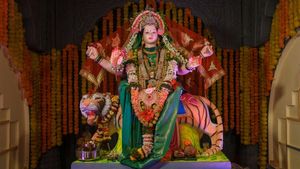 When Is Navratri In 2026? Full Dates, Rituals, Colours, Significance, and Fasting Guide
 -
 Vijay Sethupathi Confirms Maharaja 2, Hollywood Remake In The Works
 -
 Dashavatara Vrat 2026: Everything To Know About Tithi, Rituals, Fasting And The Ten Forms Of Lord Vishnu
 -
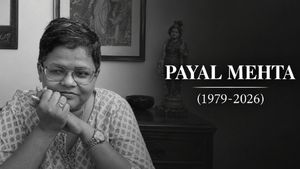 Senior Journalist Payal Mehta Passes Away At 46; PM Modi, Rahul Gandhi, Other Political Leaders Pay Tributes


International Father's Day 2025: What Do You Call Your Dad? Here's How ‘Father' Sounds In 20 Indian Languages

Fathers are often the quiet strength in our lives-the ones who teach us how to ride a bike, guide us through difficult decisions, and silently show up when we need them the most. Across India's vast and diverse landscape, the role of a father is respected, loved, and deeply rooted in culture and tradition. And just as every Indian state has its own food, music, and festivals, each one also has its own way of saying "father."
These words go far beyond literal translations. They carry emotion, familiarity, reverence, and often, a tinge of childhood nostalgia.
In English, we might say "dad," "papa," or "father," depending on the context. But in India, what we call our fathers often reflects our language, region, and cultural background.

This year International Father's Day will be observed on 15 June 2025, so here's a warm look at how "father" is expressed in 20 different Indian languages-each one unique, yet deeply affectionate.
1. Hindi - Papa / Pitaji
In many Hindi-speaking households, "Papa" is the affectionate term used by children, while "Pitaji" is more formal and respectful. "Babuji" is also common in more traditional or rural settings, carrying an old-world warmth.
2. Bengali - Baba
In Bengali families, the word "Baba" is used for father. It's short, sweet, and steeped in affection. The term also conveys respect, especially in a culture where elders are held in high regard.
3. Tamil - Appa
Tamil-speaking children often call their fathers "Appa," a word filled with tenderness. For many, it conjures up memories of discipline balanced with quiet love.
4. Telugu - Nanna / Ayya
In Telugu, "Nanna" is commonly used and carries deep emotional weight. "Ayya" is more respectful and often used in traditional households.
5. Kannada - Appa / Thande
"Appa" is popular in conversational Kannada, while "Thande" leans more toward the formal or literary usage. Both are expressions of deep-rooted familial respect.
6. Malayalam - Achan / Appa
In Malayalam, "Achan" is the traditional term used for father, especially in older families. "Appa" is also gaining popularity, especially among younger generations.
7. Marathi - Baba / Aaba
Marathi-speaking families often use "Baba," which is both affectionate and respectful. "Aaba" or "Bapu" is occasionally heard in rural areas or among older generations.
8. Gujarati - Bapuji / Pappa
In Gujarati homes, "Pappa" is commonly used among children, while "Bapuji" carries an aura of reverence and tradition.
9. Punjabi - Pitaji / Bauji
"Pitaji" is the formal term in Punjabi, while "Bauji" is used with great respect, especially in joint family setups. "Papa" is also used more casually in urban areas.

10. Urdu - Abba / Walid
In Urdu-speaking families, "Abba" is the most commonly used word for father. "Walid" is more formal and often found in written contexts or poetry.
11. Kashmiri - Bab / Babaji
In Kashmiri, "Bab" is the term of endearment used for one's father. The addition of "ji" as in "Babaji" shows respect and reverence.
12. Assamese - Deuta / Aai
In Assam, "Deuta" is the most common term for father, filled with love and dignity. "Aai" is used in some dialects, though it more commonly refers to mother in other languages.
13. Odia - Bapa / Pua
In Odia households, "Bapa" is the affectionate and respectful term for father. "Pua" is used less commonly but still carries a traditional tone.
14. Konkani - Baba / Appa
Konkani-speaking communities often use "Baba," especially in coastal Goa. "Appa" is also used in some dialects of Konkani spoken in Karnataka.
15. Sindhi - Babo / Pappu
In Sindhi, "Babo" is often used affectionately to address a father. "Pappu" is also heard in more modern or urban families.
16. Dogri - Babu / Pita
Dogri speakers use "Babu" for their fathers. The term "Pita" is the Sanskrit-rooted alternative used in more formal contexts.
17. Maithili - Babuji / Bap
In Maithili, "Babuji" is the term most often used to show love and respect. "Bap" is also used colloquially in village settings.
18. Bhojpuri - Babuji / Pita
Bhojpuri-speaking families commonly say "Babuji," a term that reflects deep-rooted respect and hierarchy within the family. "Pita" is rarely used in everyday conversation but appears in religious or ceremonial settings.
19. Santhali - Baba / Aba
In tribal communities like the Santhals, "Baba" or "Aba" is used to refer to a father. The terms are simple and powerful in their emotional resonance.
20. Tulu - Appa
In Tulu-speaking households, "Appa" is the term used for fathers. Like its counterparts in Tamil and Kannada, the word is soft-spoken and filled with cultural warmth.
Language is more than just a tool for communication-it's a vessel for emotion, culture, and memory. How we call our fathers may differ from state to state, but the love and respect behind each word remain the same. Whether it's "Baba," "Appa," "Papa," or "Abba," these words echo in our hearts long after we've spoken them.

 Continue with Google

