




 Click it and Unblock the Notifications


Latest Updates
-
 Horoscope for Today April 03, 2026 - Steady Progress & Clear Rewards Await
 -
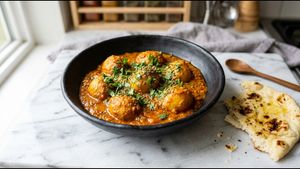 Dum Aloo Recipe: The Slow Cooked Flavor Secret Revealed
 -
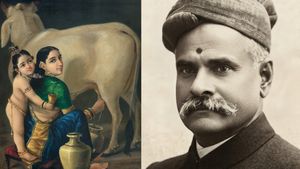 Raja Ravi Varma’s ‘Yashoda and Krishna’ Sells For ₹167 Crore, Breaking All Modern Indian Art Records
 -
 Anthony Anderson to Host Star Search Reboot: Bringing New Talent to the Spotlight
 -
 Dahi Vada – Soft And Fluffy Inside: Master The Perfect Balance Trick
 -
 Ranbir Kapoor's 'Ramayana' Teaser Drops On Hanuman Jayanti 2026, Netizens Compare With Prabhas 'Adipurush'
 -
 Throwback Thursday: Ajay Devgn Turns 57, A Look Back At The 'Drishyam' Star's Iconic 90s Hairstyle
 -
 Paneer Butter Masala Recipe: Restaurant Style Rich Gravy
 -
 World Autism Awareness Day 2026: Expert Points Out Early Signs Of Autism Before Age 3 Every Parent Must Know
 -
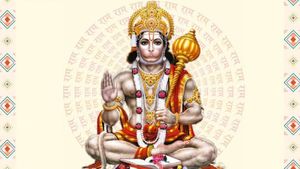 Hanuman Jayanti 2026: Chant These Powerful Mantras And Follow Rituals To Reduce Fear And Mental Stress


How Makar Sankranti Is Celebrated Across India: Different Names and Traditions

Makar Sankranti is an auspicious festival in India, which marks the motion of the Sun towards the north and the end of winter. This particular Indian festival does not follow the lunar calendar, unlike other Hindu festivals, but instead follows the solar calendar, with the date being January 14 or 15 every year.
Although the festival has its roots in the same celestial phenomenon, its celebration varies from place to place, with a different name, cuisine, practices, and rituals, and hence, the diversity in Indian culture.
Uttarayan: Gujarat's Kite Festival

In Gujarat, Makar Sankranti is called Uttarayan. One can see people assembled on rooftops with colourful kites to be flown with friends and family, often turning it into fun, friendly competitions. It is more than kite-flying; this festival is all about bringing people together to celebrate the arrival of bright days.
Pongal: Tamil Nadu's Harvest Feast
In Tamil Nadu, this is celebrated as "Pongal" and is a harvest festival celebrated over four days. People prepare a dish named pongal from new harvesting rice, jaggery, and milk and pray to the Sun God for being blessed with a good harvest. Other days include Bhogi (clearing out old things) and Mattu Pongal (honouring cattle).
Lohri: Punjab's Bonfire Celebration

In Punjab, the festival is called Lohri, which is observed a day before Sankranti. It starts with the lighting of bonfires, singing folk songs, and performing Bhangra and Gidda dance numbers. Foods such as sesame seeds (til), jaggery and peanuts are offered into the fire as prayers for a good harvest and prosperity.
Magh Bihu or Bhogali Bihu: Assam's Feast of Thanks
In Assam, the Harvest Festival is called Magh Bihu or Bhogali Bihu, which entails community feasts, burning fires (Meji), games, and Harvest Festivals. Here, the emphasis is on eating, drinking, and the joy of the Harvest.
Khichdi: Uttar Pradesh and Bihar
In some parts of Uttar Pradesh and Bihar, the festival is marked as Khichdi. People in these areas prepare a dish called khichdi out of rice and lentils and serve the poor. People also take ritual dips in rivers and practice charity on this particular day.
Poush Sankranti: Bengal's Sweet Traditions

In West Bengal, the festival is called Poush Sankranti. Sweets like Patishapta and Pithe are made from rice flour and date palm jaggery. The day also coincides with Poush Mela, a cultural fair that draws crowds around local festivities.
Maghi: Central and Southern Traditions
In Maharashtra, Makar Sankranti (often called Maghi Sankrant) is marked by exchanging tilgul (sesame and jaggery sweets) with the greeting "Tilgul ghya, god god bola" ("Take tilgul and speak sweetly"). Additionally, married women observe the Haldi-Kumkum ritual, which enhances communal bonding.
In both Karnataka and Andhra Pradesh, there are simpler traditions that involve food and pujas sometimes referred to as Pedda Panduga in local language.
Common Themes Across Regions
- Harvest thanksgiving: Expressing gratitude for crops and nourishment.
- Seasonal foods: Especially sweets like sesame and jaggery, which embody warmth and power in the cold weather.
- Community ties: Greeting people, eating together, socialising.
Why It Matters
Makar Sankranti beautifully illustrates how one astronomical event, the Sun's shift into the zodiac sign Capricorn, can translate into a pan-Indian celebration with many colours, tastes, and meanings. From flying kites in Gujarat to feasting in Assam, and from Pongal in Tamil Nadu to Khichdi in Bihar, the festival reflects India's unity in diversity.


 Continue with Google