




 Click it and Unblock the Notifications


Latest Updates
-
 Hazelnut Imports To India Jump 172% As Demand For Healthy Snacking Soars
 -
 Can Childhood Obesity Trigger Early Puberty? An Expert Explains The Hormonal Connection
 -
 Is Hustle Culture Quietly Making People Feel Guilty for Resting?
 -
 H1N1 Cases Cross 1,300 In Delhi: Is Your Parent Or Child In The H1N1 Danger Zone?
 -
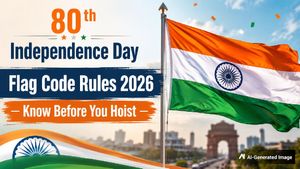 Independence Day 2026: Flag Code Rules Every Indian Must Know Before Hoisting the Tricolour
 -
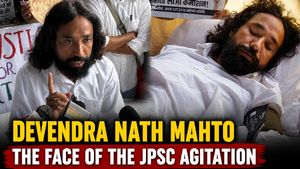 Jharkhand Student Protest: Who Is Devendra Nath Mahto, The Face Of The Recruitment Exam Agitation?
 -
 Acidity Is a Symptom, Not a Diagnosis: Why Self-Medicating Can Backfire
 -
 Tricolour At The Desk: Independence Day 2026 Office Outfit Ideas That Work
 -
 World Biofuel Day 2026: Significance, Benefits And India’s Growing Push With Sampoorn Gobardhan Scheme
 -
 Sawan Shivratri 2026: Jalabhishek Timings, Rituals And Significance Explained


Pink City repeats history

Jaipur, Mar 12 (UNI) Jaipur is witnessing a unique Vedic event, the Ashwamedha Yagya - conducted first in the Ramayana era, and later by Raja Sawai Jaisingh II here 300 years back.
The actual Aswamedha yagya will be conducted on March 18 where 551 yagya fires will be lit up after which the aswamedha (white horse) would be released.
The main aim of this unique religious event is to make people aware and more attentive of the Hindu New Year, which is gradually losing its significance under the influence of Western culture.
Being organised by Sanskrit and Golok Institute, the event is mainly to urge people to celebrate the Hindu New Year with traditional fervour, which begins from the month of Chaitra. They are asking people to begin the New Year on a pure, divine and religious note by pouring offerings into the Ashwamedha Yagya.
A white horse was released along with a royal procession from the same site where the Aswhamedha yagya was conducted by Raja Sawai JaiSingh II 300 years back. The point is located near the city's famous tourist spot, the Jal Mahal.
The procession passed through many localities of the city, including Muslim-dominated places. Many women offered prayers and showered it with flower petals. Even Muslims showed enough enthusiasm.
City's many famous Hindu priests are participating in this event.
The epic Ramanyan, which talks of the first Ashwamedha Yagya in Indian history, says a white horse was released to measure a king's sovereignty and supremacy over other smaller principalities.
Those fiefdoms and principalities used to come under the king through which the white horse passed. Those who dared to rein in the horse, had to fight the sender of the horse.
Lord Ram's white horse was supposed to have been caught by his twin sons Luv and Kush, who were growing up in exile with their mother Sita, who had been admonished because she spent some days in Lanka, as she was kidnapped by demon king Ravana.
Later this Aswamedha Yagya was undertaken by many other kings in order to expand their territories.

 Continue with Google