




 Click it and Unblock the Notifications


Latest Updates
-
 Ahmedabad Police Flag Fraud Risk Behind Viral 'Rent A Garba Partner' Ads
 -
 Vidya Balan’s Jailer 2 Entry As Kantha: From Silk To Manjulika, A Look At Her Unconventional Roles
 -
 Samay Raina Has Now Denied Dating Rumours With Two Women In Three Months
 -
 Kareena Kapoor Turns 46: From Size Zero To Fine Lines, The ‘Daayra’ Actress Is Choosing To Age Without Apology
 -
 The Emotional Side of Delayed Parenthood That We Don’t Talk About Enough
 -
 World Alzheimer’s Day 2026: Why Early Diagnosis Matters And What This Year’s Theme Means
 -
 When Is Navratri In 2026? Full Dates, Rituals, Colours, Significance, and Fasting Guide
 -
 Vijay Sethupathi Confirms Maharaja 2, Hollywood Remake In The Works
 -
 Dashavatara Vrat 2026: Everything To Know About Tithi, Rituals, Fasting And The Ten Forms Of Lord Vishnu
 -
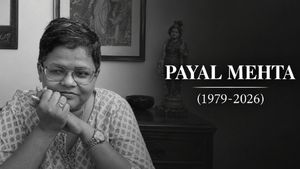 Senior Journalist Payal Mehta Passes Away At 46; PM Modi, Rahul Gandhi, Other Political Leaders Pay Tributes


Self-Care Isn’t Selfish: When Mothers Prioritize Everyone’s Health Except Themselves

On most days, mothers become experts at functioning through exhaustion. They remember vaccination dates, refill groceries before they run out, notice when someone in the family looks unwell, and somehow continue working through headaches, back pain, stress, or lack of sleep without making a fuss about it. The problem is that this adjustment to constant fatigue often becomes so routine that even serious health concerns get pushed aside as "something to deal with later."

Mother's Day 2026 offers a chance to look at motherhood from another angle - not only through appreciation and celebration, but through the question of how often mothers are expected to care for everyone else while slowly neglecting their own well-being, something Mrs Rani Garg, Director of Zeon Lifesciences Ltd, believes deserves far more attention in conversations around women's health.
Why Preventive Health Matters For Mothers
Motherhood often comes wrapped in quiet sacrifice. Meals are skipped in a rush to finish daily responsibilities. Fatigue is ignored because there is always something more urgent to attend to. Health concerns are postponed, sometimes indefinitely, while everyone else's needs move to the front. Over time, this becomes normalised.
Many mothers begin to believe that caring for themselves is somehow indulgent - something to fit in only after every responsibility has been met. But health does not work well in postponement. The body keeps count, even when the mind chooses not to. That is why the conversation around women's wellness, especially on Mother's Day, needs to move beyond reactive care.
Moving Beyond Reactive Healthcare
Healthcare is often approached only after symptoms appear when exhaustion becomes unmanageable, when stress starts affecting sleep, or when routine fatigue slowly turns into something more persistent. Preventive health shifts the focus earlier. It asks a simpler but more important question: what can be done consistently to maintain well-being before the body is forced into recovery? For mothers, that shift matters deeply.

Self-Care In Everyday Choices
Self-care is not limited to occasional breaks or wellness trends. More often, it is found in smaller, sustainable choices - regular health check-ups, balanced nutrition, movement that supports the body, proper hydration, quality sleep, and moments of mental pause in otherwise demanding days.
These things appear simple on the surface, but their impact is cumulative.
A mother who prioritises her own health is not stepping away from her family. In many ways, she is strengthening the foundation that allows her to continue supporting them with energy, patience, and emotional balance.
The Mental Load Mothers Carry
Mental well-being deserves equal attention here. Mothers frequently carry invisible responsibilities - emotional caregiving, household management, planning, anticipating, remembering. The mental load rarely switches off completely. Without adequate rest and emotional support, stress begins to settle into the body quietly, often showing up as fatigue, irritability, burnout, or declining immunity. Preventive care acknowledges that wellness is not only physical. Emotional resilience matters just as much.

How Mothers Shape Family Health Habits
There is also an important example being set within families. When children grow up seeing mothers prioritise regular check-ups, nutritious eating, movement, and rest, they begin to understand health as a lifelong practice rather than an emergency response. In that sense, self-care becomes intergenerational.
Care Should Move Inward Too
Perhaps that is the larger point. Mothers are often expected to keep everything running, even at the cost of themselves. But care should not only move outward. It deserves to move inward too. Because a healthier mother does not just benefit herself - she creates a healthier, more balanced environment for everyone around her.

This Mother's Day 2026, perhaps the most meaningful shift is to stop treating mothers' health as something that can always wait.

 Continue with Google

