



 Click it and Unblock the Notifications



Latest Updates
-
 Breast Cancer Awareness Month 2026: Expert Explains The Emotional Toll Of Breast Cancer
-
 Navratri 2026 Food Hopping In Delhi NCR: 7 Places To Explore For A Taste Of Festive Flavours
-
 Why Casual Games Are Perfect for Quick Online Play
-
 World Menopause Day 2026: Theme, Significance And What Research Reveals About Menopause In India
-
 Navratri Day 8: Maa Mahagauri Puja, Colour, Rituals And Significance
-
 Dussehra 2026: The Difference Between Vijayadashami And Ravana Dahan
-
 Veteran Musician Deva Dies At 75: Life And Legacy Of Thenisai Thendral
-
 Navratri Fasting Diet: How To Stay Energised And Full Through The Day
-
 Kavya Maran Wedding In Greece? Date, Venue, and What Is Confirmed
-
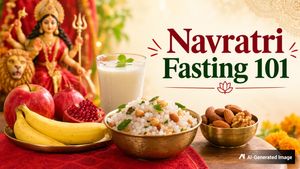 Navratri Fasting 101: What To Eat, What To Skip, And How To Avoid Acidity And Headaches


Say Goodbye To Bloating: Nourish Your Stomach For A Flatter Belly By Avoiding These Foods!

When you are bloated and have stomachaches, abdominal pain, and or diarrhoea, the insides of your intestines are irritated and, quite frankly, pissed off at you. Specifically, the villi, or tiny hairs that line your intestinal walls, get inflamed. Because your small intestine is about 20 feet long, and your large intestine is about 5 feet long, one microscopic inflammation can become one giant abdominal bloat.
The key to nourishing your stomach in the right way is actually simple. You have to avoid foods that your system biochemically protests.

Each of us is slightly different, but there are many foods that can lead to belly bloat for almost all of us. Just eliminating these can make a big difference in how your stomach looks and feels.
1. Seeds
While research on this has been varied, people with stomach issues like diverticulitis have previously been told to avoid foods with seeds. The assumption is that these small food particles could block or irritate the diverticula (small pouches that form in the colon wall). Because the research is inconclusive talk to your GI before making decisions about removing seeded foods from your diet.
2. Raw chia seeds
Some people report experiencing constipation and bloating after eating chia seeds others have the complete opposite effect and find that the superfood helps to improve bowel movements. To experience the benefits of chia seeds without the negative side effects you have to prepare the seeds properly.First start with a small amount until your body is adjusted to eating them.

When you do consume them drinking an ample amount of water will help to provide moisture to the seeds. Finally, you could pre-soak the seeds before you eat them that way they'll have enough fluid before they enter your body.
3. Soy sauce and other soy products
Gluten is one of the major ingredients in soy sauce. If you have a gluten allergy, soy sauce (even the sodium-free kinds) will trigger inflammation across your body, especially your gut. Many people also have a slight soy allergy without realizing it.
Notice if you bloat after eating tofu, soy milk, or other soy products and then remove them from your diet.
4. Raw foods
Raw foods are jam-packed with nutrients, yes, but they are also incredibly hard for your digestive system to break down. Raw foods often travel through your intestines only half processed especially if you ate while rushed or stressed aggravating your intestines further.

5. Processed foods
All processed foods include additives and chemicals and many contain gluten or one of its derivatives to enhance texture consistency and taste. This gluten is very different from natural gluten in fresh wheat and has a direct effect on digestion.
On A Final Note...
Instead of eating the foods listed above fill your diet with cooked vegetables like spinach carrots potatoes and yams. The nutrient-rich veggies will keep you satisfied longer and will help you avoid the negative effects of processed foods.
Soups especially vegetarian ones are great for your body. Experts typically recommend split pea tomato mixed vegetable or bone broth soups. Teas like chamomile and mint have beneficial benefits as well!
Disclaimer: The information provided in this article is for general informational and educational purposes only and is not intended as a substitute for professional medical advice, diagnosis, or treatment. Always seek the advice of your physician or a qualified healthcare provider with any questions you may have regarding a medical condition.

 Continue with Google


