




 Click it and Unblock the Notifications


Latest Updates
-
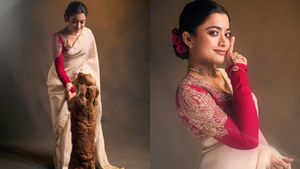 As ‘Ranabaali’ Hits Theatres, A Look At Rashmika Mandanna’s ₹1.31 Lakh Ivory Saree For Pre-Release Promotions
 -
 Durga Puja Pandals Mumbai 2026: 7 Stunning Celebrations To Explore From Matunga To Juhu
 -
 World Spine Day 2026: Is Your Phone Habit Causing Neck Pain? What To Know About Tech Neck
 -
 Breast Cancer Awareness Month 2026: Expert Explains Why Family History Isn't the Only Risk
 -
 Skanda Sashti 2026: Significance, Vrat Rituals And How Devotees Observe The Day
 -
 Saraswati Avahan 2026: Significance, Shubh Muhurat, Rituals And Puja Vidhi
 -
 Navratri Day 6: Maa Katyayani Puja, Colour, Rituals, And Significance
 -
 Garba Before The DJ Era: What Navratri Looked Like In Earlier Times
 -
 What Does Indian Design Mean Today? A Creative Director Explains
 -
 Why Your Vision Can Feel Different In Bright And Dim Rooms, Expert Explains


When Vijay Deverakonda Wore Alta And Temple Jewellery At Virosh Wedding, Breaking Groom Fashion Rules

When wedding photos drop, be honest most of us zoom straight into the bride's look. The sari. The jewellery. The makeup. The details. The groom? Usually a quick glance and a scroll. When Rashmika Mandanna wed Vijay Deverakonda on 26 February 2026, he was photographed with 'red alta' on his hands and feet, a detail rarely seen on modern grooms. Add to that layered temple jewellery, a traditional veshthi, and an angavastram, and the look instantly stood apart from the safe, cliche groom looks we've grown used to.
Alta On A Groom? That's New

In most contemporary Indian weddings, alta is associated with brides. You'll see it in Bengal, Odisha, and parts of South India as part of solah shringar - the traditional bridal adornment ritual. Grooms, meanwhile, usually stick to sherwanis, muted kurtas, or structured bandhgalas. Clean, elegant and composed.
By wearing alta on his hands and feet, Vijay Deverakonda stepped into a space that has long been coded feminine in modern wedding imagery. And that simple decision shifted the visual grammar of the ceremony.
Challenging Gendered Symbolism
Alta has, over time, become visually linked to brides - red-stained feet against a white sari, intricate patterns before pheras, ceremonial photographs that centre on feminine grace. Seeing it on a groom disrupts that automatic association. It subtly questions why certain ritual elements are labelled "for women" when their origins were never strictly gender-bound.
Modern Masculinity
There's been plenty of conversation around masculinity in fashion, but this moment didn't feel like a manifesto. The alta softened the overall look without diluting strength. The heavy jewellery added weight and presence. Together, they created a version of masculinity that was expansive rather than rigid - one that allowed ritual beauty without discomfort. For many watching, that balance is what stood out.
What Is Alta, Really?
Alta is a red ceremonial dye traditionally applied to the hands and feet during South Asian weddings and sacred rituals. While often compared to mehndi, it's visually and culturally distinct.
Historically made from natural pigments, alta has been used during festivals, marriage ceremonies, and classical dance performances such as Odissi and Kathak. Its application is bold and immediate - a flat, vivid red that marks the body as part of a sacred moment.
The Meaning Behind The Red
The colour red holds deep ritual significance in Hindu ceremonies. It represents auspiciousness and blessings - a visual invocation of prosperity and good fortune. It's also linked to fertility and marital celebration, which is why it became so closely tied to brides.
In some regions, alta serves as a symbolic marking for sacred transitions, similar in spiritual intent to vermillion or kolam patterns drawn at thresholds. Interestingly, historical and cultural references show that alta wasn't always restricted to women. Men wore it in certain ceremonial and performative contexts, especially in classical dance traditions. Over time, that practice faded from mainstream weddings.
The Jewellery Factor
The alta wasn't the only statement. The heavy temple-style jewellery amplified the look's cultural depth. Inspired by classical Indian art and sacred motifs, temple jewellery has roots in royal courts and religious dance traditions. It carries visual weight - literally and symbolically.
Layered necklaces, bold ornaments, and traditional draping created a silhouette that felt regal and grounded in heritage rather than trend cycles. Combined with the veshthi and angavastram, the overall aesthetic leaned firmly into traditional visual language instead of contemporary wedding minimalism.
In the end, Vijay Deverakonda's wedding look with Rashmika Mandanna went beyond style - it was a beautiful reimagining of tradition. Red alta, temple jewellery, and classical draping created a narrative of strength, grace, and ritual beauty. It challenged assumptions about what grooms can wear and what masculinity can look like, showing that heritage, colour, and ceremony aren't limited to one gender. In a single photograph, it opened a conversation about tradition, expression, and the evolving language of Indian weddings.

 Continue with Google

