




 Click it and Unblock the Notifications


Latest Updates
-
 Dum Aloo Recipe: The Slow Cooked Flavor Secret Revealed
 -
 Raja Ravi Varma’s ‘Yashoda and Krishna’ Sells For ₹167 Crore, Breaking All Modern Indian Art Records
 -
 Anthony Anderson to Host Star Search Reboot: Bringing New Talent to the Spotlight
 -
 Dahi Vada – Soft And Fluffy Inside: Master The Perfect Balance Trick
 -
 Ranbir Kapoor's 'Ramayana' Teaser Drops On Hanuman Jayanti 2026, Netizens Compare With Prabhas 'Adipurush'
 -
 Throwback Thursday: Ajay Devgn Turns 57, A Look Back At The 'Drishyam' Star's Iconic 90s Hairstyle
 -
 Paneer Butter Masala Recipe: Restaurant Style Rich Gravy
 -
 World Autism Awareness Day 2026: Expert Points Out Early Signs Of Autism Before Age 3 Every Parent Must Know
 -
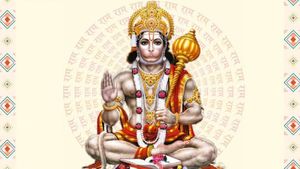 Hanuman Jayanti 2026: Chant These Powerful Mantras And Follow Rituals To Reduce Fear And Mental Stress
 -
 Waking Up To Pee At Night? Your Body Might Be Trying To Tell You Something


Chinese Kali Temple: Here Noodles And Chopsueys Are Served As Prasad

Kolkata or Kali Kshetra, houses the world famous temples of Goddess Kali at Kalighat and Dakshineshwar. Many westerners like Anthony Firangi who came to this city, adopted themselves to kolkata and its customs beautifully and became devotees of Kali.
Phirangi Kalibari which is situated in the heart of the city is another example that proves the devotion of the Phirangis to Indian Devis and Gods. At Kangra a Chinese community built a temple for Kali and it is by far the most famous one.

This temple in Chinatown is more than 80 years old, wherein previously people worshipped a black stone smeared with sindoor. Around 20 years ago, Bengali and Chinese communities joined their hands to build the Chinese Kali temple in Tangra.
Here, interestingly, a Bengali priest worships the goodness and handmade paper are burnt to chase evil spirits away. Diwali celebrations are conspicuous for tall candles, and Chinese incense sticks. The aroma is distinct unlike in any other Indian temple.
After the temple was constructed, certain changes in rituals have crept in due to the Chinese influence especially in the area of prasad or bhog distribution.
Prasad is really delectable and they serve all types of Chinese fast food like noodles. Chopsueys and Chinese fried rice. This area is a medley of Tibetan and East Asian cultures.
The Chinese kali temple is a beautiful amalgamation of two different cultures. This temple is small in size and houses the idols of Kali and Shiva. Initially there was no temple for the Kali Mata. There were only two black stones that were worshipped with vermillion and prayers were offered daily.
The legend says that a Chinese boy once took very ill and slowly stopped responding to treatments. Parents were very desperate and offered puja to Kali stones.
Within a few days, the boy recovered fully. His parents decided to pool in money to build a temple for the Kali Stones. They received donation in huge amounts by each and every Chinese resident and completed the construction.
The temple is under the care of the local Chinese community. Twice a day the pooja rituals are observed. Goddess is decked with Hibiscus flowers. Special poojas are performed on Saturdays but Goddess is offered Noodles, Chopsuey, rice-and-vegetable dishes as Bhog.
The Puja conducted here is an interesting combination of Hindu and Chinese rituals. Tall candles are lit for festivals. Chinese incense sticks are used for dhooparati.
Handmade paper is burnt to avoid evil spirits. Their pranam postures are way different than ours. But it is the display of their devotion that wins your heart.
Although most of the people in Tangra Chinatown belong to Buddhism and Christianity, the cultural divide is not experienced during the festivities.


 Continue with Google