




 Click it and Unblock the Notifications


Latest Updates
-
 Fluffy Rava Idli Recipe: Your 10 Minute Instant Batter Hack
 -
 Good Friday 2026: Why The Day Of Jesus’ Crucifixion Is Called ‘Good’ Despite The Sorrow
 -
 Horoscope for Today April 03, 2026 - Steady Progress & Clear Rewards Await
 -
 Dum Aloo Recipe: The Slow Cooked Flavor Secret Revealed
 -
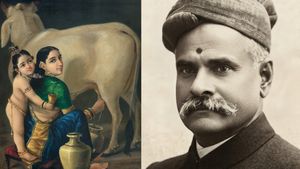 Raja Ravi Varma’s ‘Yashoda and Krishna’ Sells For ₹167 Crore, Breaking All Modern Indian Art Records
 -
 Anthony Anderson to Host Star Search Reboot: Bringing New Talent to the Spotlight
 -
 Dahi Vada – Soft And Fluffy Inside: Master The Perfect Balance Trick
 -
 Ranbir Kapoor's 'Ramayana' Teaser Drops On Hanuman Jayanti 2026, Netizens Compare With Prabhas 'Adipurush'
 -
 Throwback Thursday: Ajay Devgn Turns 57, A Look Back At The 'Drishyam' Star's Iconic 90s Hairstyle
 -
 Paneer Butter Masala Recipe: Restaurant Style Rich Gravy


Know The Types & Symptoms Of Low Blood Pressure
Hypotension or low blood pressure is of two types. Read on to know more about the types, symptoms and causes of hypotension.

In medical terms, hypotension is an unusually low blood pressure degree condition of the body. This is not a disease, but instead a physiological state. Blood pressure level is the force of blood gushing throughout the walls of the arteries as the heart pumps out blood.
When the pressure is below 90/60 mm Hg, which is considered low, this condition is known as hypotension. Low blood pressure should not be ignored as it can give rise to a number of health problems.

Blood pressure level is continuously modulated by the autonomic nerve system, using an intricate network of receptors, nerves and hormones to balance the after effects of the sympathetic nerve system, which tends to lift blood pressure, and the parasympathetic nerve system, which lowers the blood pressure.
The vast and rapid settlement abilities of the autonomic nerve system permits normal people to have a suitable blood pressure level.
There are two types of hypotension: orthostatic hypotension and postprandial hypotension. Orthostatic hypotension, also known as postural hypotension is common. It happens when the body changes its position, following a while, like standing up from the sitting or lying position. If there is a drop of 20/10 mm Hg in blood pressure, this causes hypotension.

Another, but very rare kind is called postprandial hypotension, which happens thirty to sixty minutes after eating a full meal. Here a big quantity of blood is diverted to the intestines, hence stopping the supply of blood to other essential organs of the body, like the brain. This causes hypotension.
The signs of hypotension are light headedness or dizziness, fainting and seizures. Among others, low blood pressure or hypotension is connected with the following symptoms, which are not effects of hypotension, instead associated to reasons for low blood pressure. These are chest pain, trouble in breathing, high fever, rigid neck and foul-smelling urine.
The causes of low blood pressure are hormonal alterations, widening of the blood vessels, adverse effects of medicines, heart and endocrine issues and stress.
Disclaimer: The information provided in this article is for general informational and educational purposes only and is not intended as a substitute for professional medical advice, diagnosis, or treatment. Always seek the advice of your physician or a qualified healthcare provider with any questions you may have regarding a medical condition.


 Continue with Google